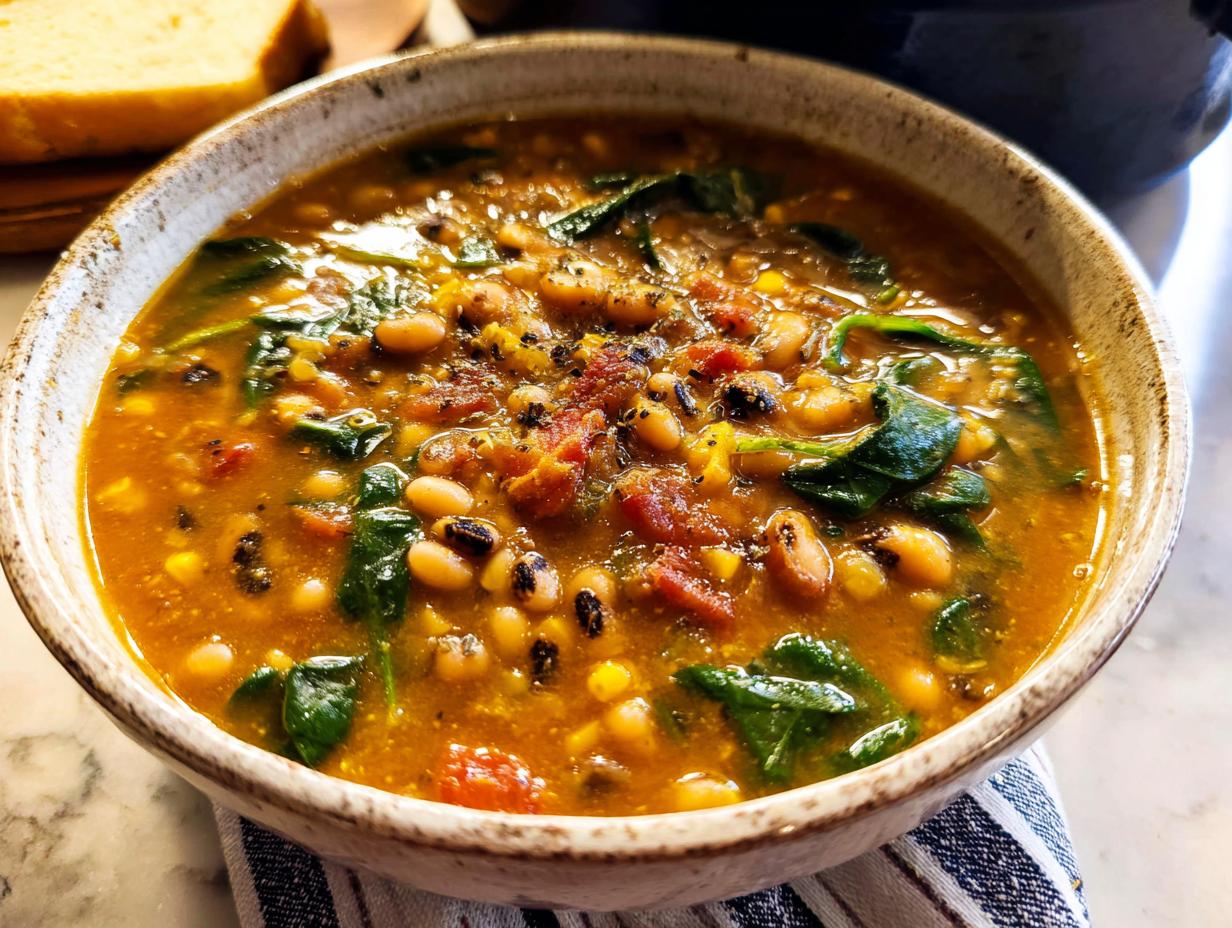
Oh, there’s just something magical about a warm bowl of homemade soup, isn’t there? I’ll never forget the rainy Sunday afternoon when I decided to tackle my very first soup recipe. Armed with a few fresh veggies and some pantry staples, I found myself in a delightful dance of chopping, simmering, and seasoning. By the time the soup was ready, my whole place was filled with the warm aroma of garlic and herbs, and man, I felt this incredible sense of accomplishment. That simple experience, which sparked a newfound passion for cooking, is exactly why I created ‘The Ultimate Soup Recipes Guide for Beginners.’ Whether you’re a total novice in the kitchen or just super busy and craving something comforting and nourishing, this guide is for you. I’m Maya Patel, and as your Community Manager & Adaptation Specialist, sharing these easy, tasty soup secrets is totally my jam!
Why This Easy Black-Eyed Pea Soup is Perfect for Beginners
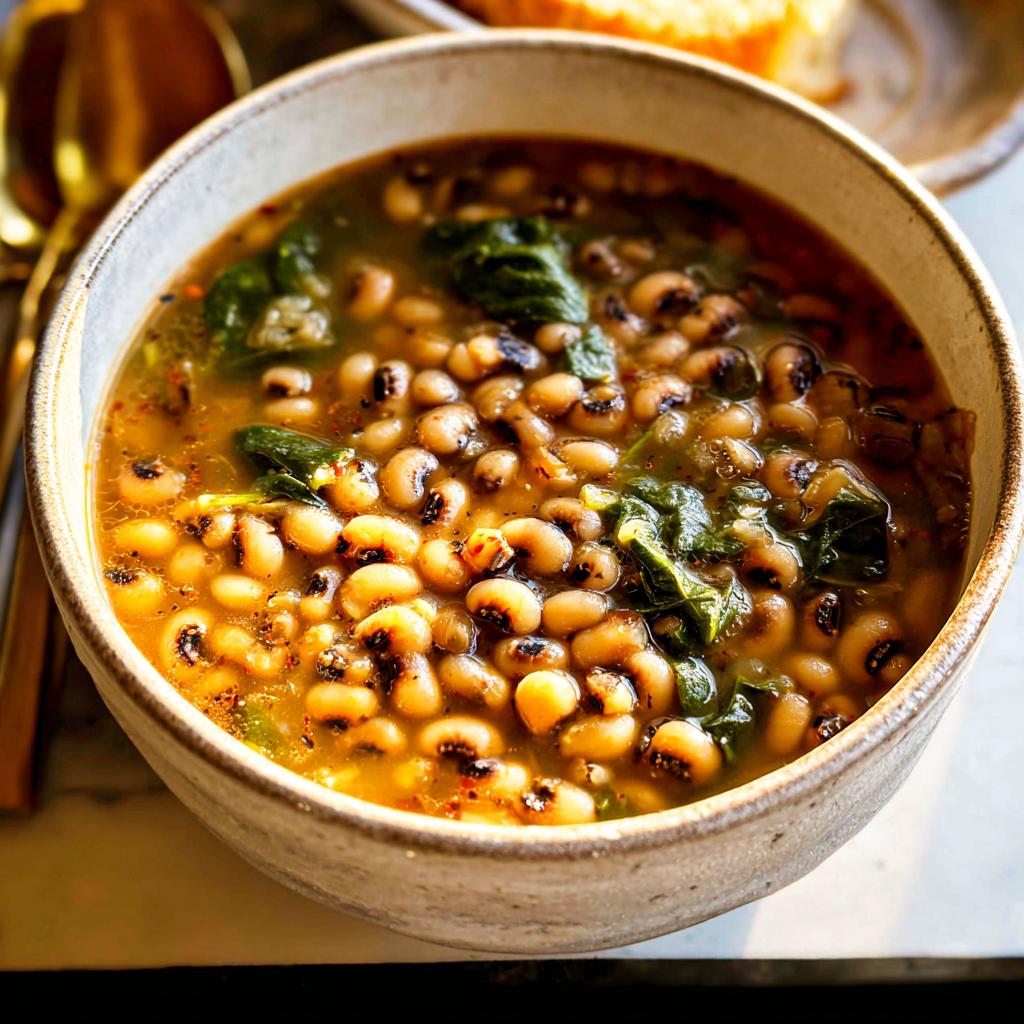
I get it, sometimes the kitchen can feel a little intimidating, but trust me, this Easy Black-Eyed Pea Soup is your new best friend! It’s one of my absolute go-to recipes from “The Ultimate Soup Recipes Guide for Beginners” because it’s just *so* darn easy. You don’t need a million fancy ingredients, and the steps are super straightforward. Seriously, the most effort you’ll put in is maybe chopping an onion (and even that’s easy!). It’s packed with flavor, super comforting, and you’ll feel like a total pro when you serve it up. It’s the perfect introduction to the wonderful world of homemade soups!
Gathering Your Ingredients for The Ultimate Soup Recipes Guide for Beginners
Alright, let’s get cooking! For this super-easy black-eyed pea soup, we want to gather up a few simple things. You’ll need one pound of dried black-eyed peas – make sure they’re dried! Then, grab about half a pound of thick-cut bacon, chopped up. If you’re not a bacon fan, or want a slightly different flavor, some smoked turkey pieces work great too. We’ll also need one large onion, diced up nice and small, about a cup and a half worth. Two celery stalks, diced smaller too, about half a cup. And of course, some minced garlic for that amazing aroma! Two teaspoons of fresh, minced thyme and a couple of bay leaves are perfect for flavor. For the liquid, we’ll use six to seven cups of chicken broth or even just water. Don’t forget two teaspoons of Creole seasoning for a little kick, and about a cup and a half of fresh, chopped spinach to toss in at the end. Lastly, salt and pepper, as much as you like!
Step-by-Step Instructions for Your First Soup Recipe
Alright, let’s get this soup cooking! For this guide on “The Ultimate Soup Recipes Guide for Beginners,” we’re making it super simple. First up, grab a big bowl and pour in your dried black-eyed peas. Cover ’em with cold water and let them hang out for about 2 to 3 hours. This just helps them soften up a bit before we cook them proper. It’s a little step, but it makes a big difference, kind of like how knowing about healthy oats can simplify your breakfast routine.
Preparing the Black-Eyed Peas
Soaking these peas for a few hours is the way to go. It really helps them cook evenly and makes them nice and tender. If you’re in a pinch, you can totally do a quick soak – just boil them for a minute, then let ’em sit for an hour. Remember, cooking them in that soaking water actually adds more flavor!
Building Flavor: Sautéing the Aromatics
Now, grab your big, heavy pot. Toss in the chopped bacon and let it get all brown and crispy for about 5-6 minutes. Then, add in those ham hocks (or smoked turkey!) and let ’em sizzle for another 5 minutes. Next, throw in your diced onion, celery, and minced garlic. Let that cook down for about 3-5 minutes until the onions are soft. Don’t forget to toss in your fresh thyme and those bay leaves – they add so much lovely flavor!
Simmering to Perfection
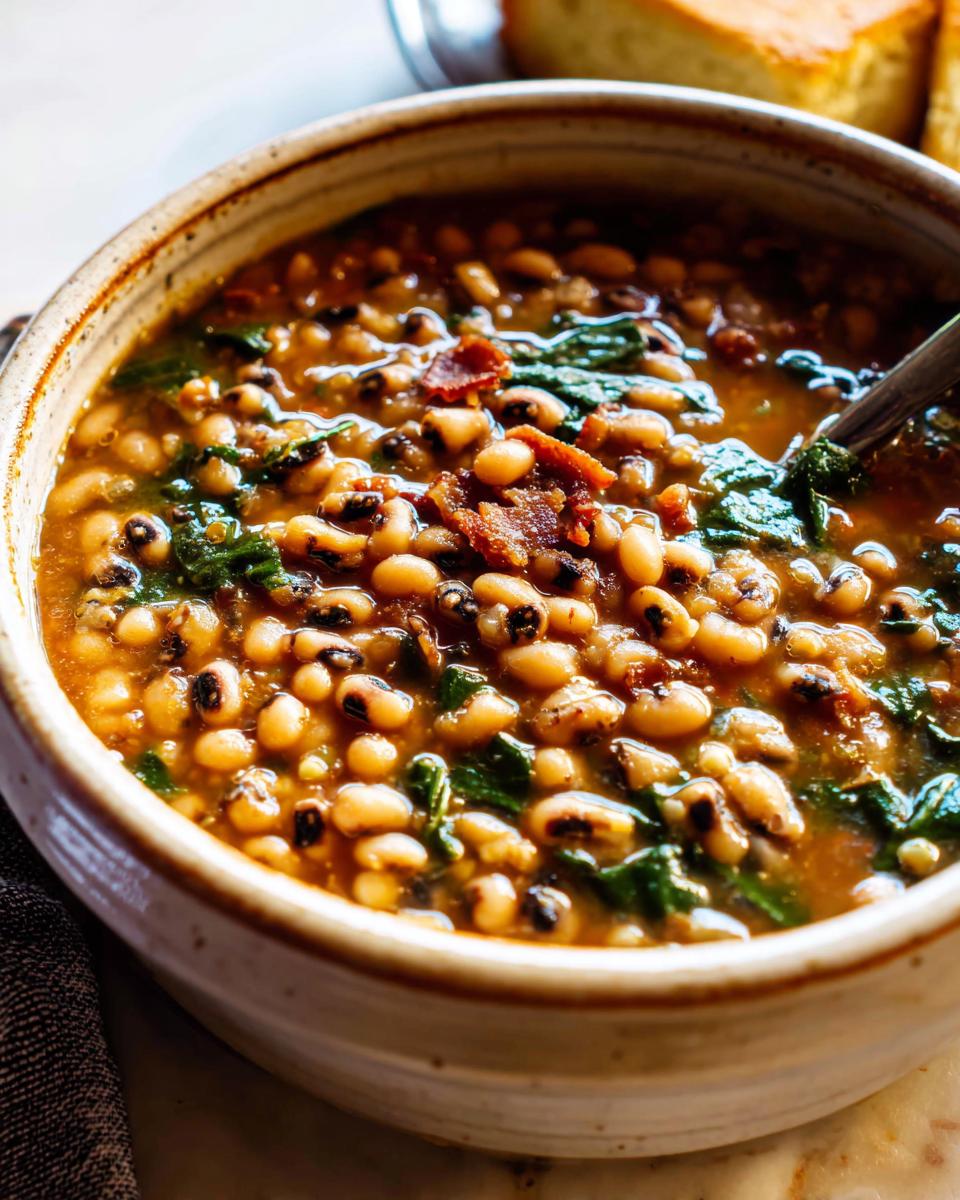
Pour in your chicken broth or water. Drain and rinse those soaked black-eyed peas and add them to the pot. Sprinkle in your Creole seasoning, and then add salt and pepper to your liking – you can always add more later! Give it all a good stir and bring it to a boil. Once it’s boiling, turn the heat down low, cover the pot, and let it simmer for about 30 minutes. Give it a stir every now and then. You’re looking for the beans to be nice and tender, and the soup to have that perfect soupy consistency.

Finishing Touches for Your Beginner Soup
Now for the green goodness! Toss in that fresh chopped spinach. It’ll only take a minute or two to wilt down. If your soup seems a bit too thick for your liking, just add a splash more broth or water until it’s just right. Taste it one last time and add any extra salt or pepper if needed. Fish out those bay leaves, and you’re ready to serve your amazing beginner soup!
Tips for Soup Success
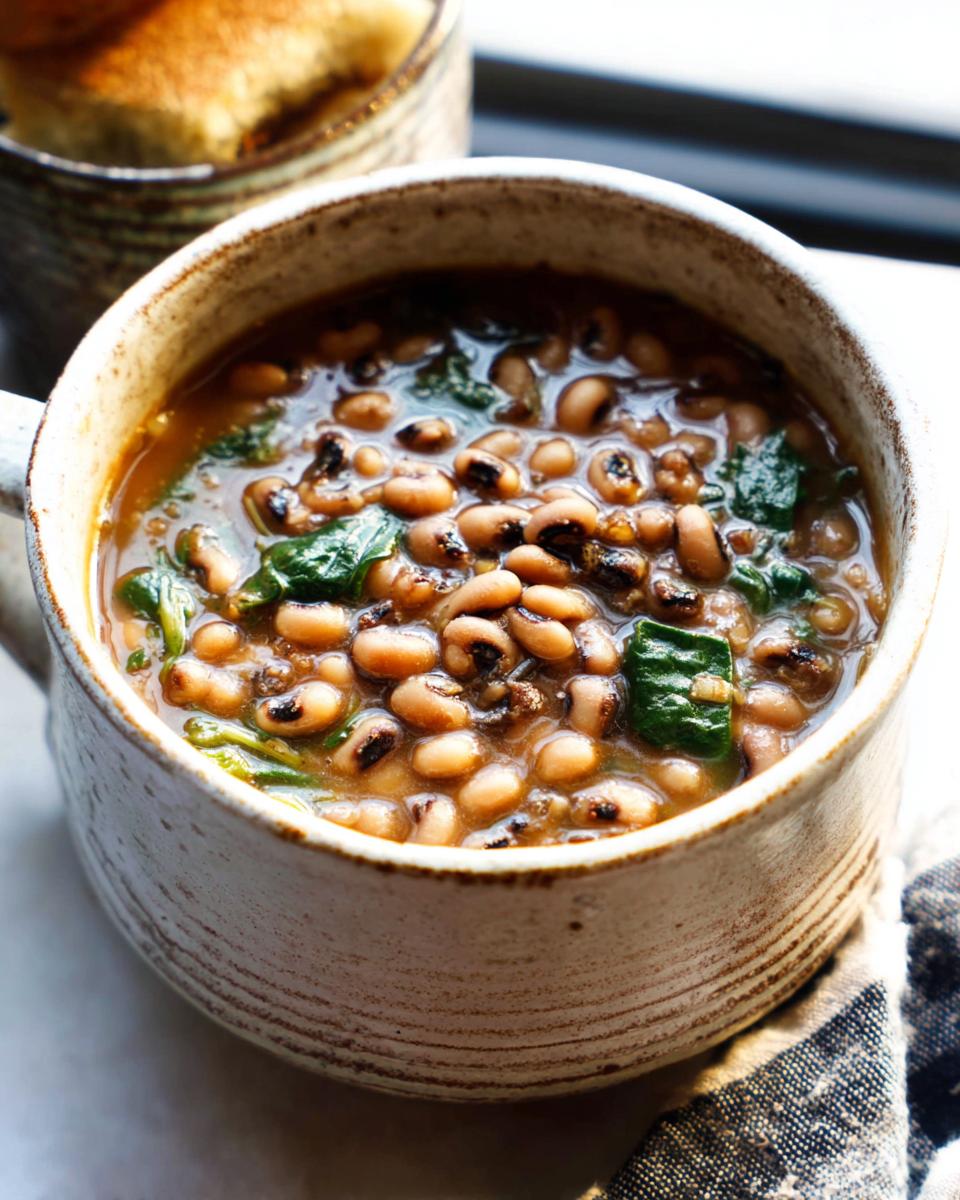
When you’re just starting out with “The Ultimate Soup Recipes Guide for Beginners,” a few tricks can make all the difference. For this black-eyed pea soup, my top tip is to taste, taste, taste! Especially towards the end. Don’t be shy about adding more Creole seasoning or salt and pepper until it sings. Also, if your beans aren’t quite tender enough after 30 minutes, just give them a little more time! Simmering is forgiving. Patience is key for perfectly tender beans without them turning to mush. And remember, a good soup is all about that balance of flavors, so don’t be afraid to season!
Ingredient Notes and Substitutions for Beginner Soup
Okay, let’s chat about some of the ingredients in this soup, especially if you’re new to this whole cooking thing! Creole seasoning is basically a zesty blend of spices – think paprika, cayenne, garlic powder, onion powder, and a few others. If you can’t find it, don’t sweat it! You can just use a mix of paprika, a pinch of cayenne, garlic powder and onion powder yourself. For the ham hocks, they give a fantastic smoky depth, but if you can’t find them or aren’t a fan, smoked turkey wings or even some extra bacon can work. Craving more greens? You can totally toss in other leafy veggies like kale alongside or instead of the spinach, maybe even check out some spinach salad ideas for serving. And if you’re out of chicken broth, plain ol’ water works fine – the other ingredients really pack in the flavor!
Serving Suggestions for Your Cozy Soup
Now that you’ve made this amazing black-eyed pea soup, you need something to go with it, right? For a truly cozy meal, you absolutely MUST have some crusty bread for dipping. Seriously, it’s the best way to get every last bit of that flavorful broth! A simple side salad with a light vinaigrette is also a great way to add some freshness. Or, if you’re really leaning into the comfort food vibe, a little cornbread never hurt anyone!
Frequently Asked Questions About Beginner Soup Recipes
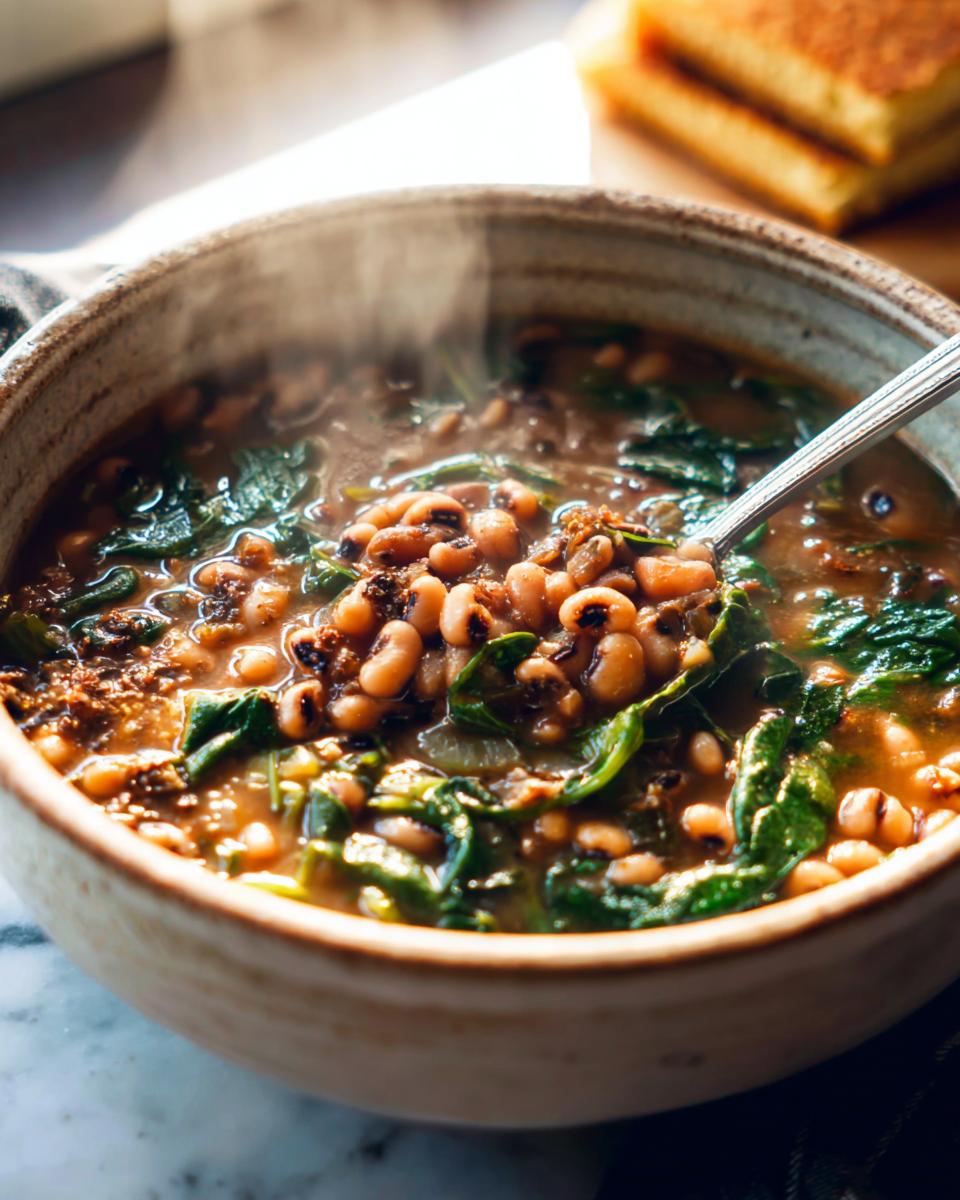
Got questions about making soup? I totally get it! It’s all part of learning “The Ultimate Soup Recipes Guide for Beginners.” Let’s break down some common things folks wonder about.
Can I make this black-eyed pea soup vegetarian?
You sure can! To make this a vegetarian delight in “The Ultimate Soup Recipes Guide for Beginners,” just skip the bacon and ham hocks. You’ll want to toss in a bit more olive oil or butter when you sauté your veggies, and maybe add an extra sprinkle of your favorite herbs or a pinch of smoked paprika for that smoky depth. The beans and veggies themselves are super flavorful, so it’ll still be delicious!
How long does this soup last in the fridge?
This comforting soup is your friend for a few days! It’ll stay good in an airtight container in the fridge for about 3 to 4 days. Honestly, the flavors sometimes get even better on the second day, making it perfect for delicious leftovers. If you’re not going to finish it within that time, it freezes wonderfully too!
What if I don’t have time to soak the beans?
No worries at all! We’ve all been there when we want that comforting bowl *now*. For “The Ultimate Soup Recipes Guide for Beginners,” quick soaking is your bestie. Just cover the dried black-eyed peas with water, bring them to a boil for about a minute, then turn off the heat and let them sit for an hour. Drain, rinse, and proceed with the recipe. They might take a little longer to get perfectly tender, so just keep an eye on them and simmer until they’re just right!
Can I add other vegetables?
Absolutely! This soup is a fantastic canvas for whatever veggies you have on hand. You can add diced carrots, bell peppers, or even some corn along with the onions and celery. Just make sure to chop them to a similar size so they cook evenly. Feel free to get creative with your soups!
Understanding Your Soup’s Nutritional Value
So, you’re curious about what’s in this delicious soup? It’s always helpful to know! For a serving of this Easy Black-Eyed Pea Soup, you’re looking at roughly 345 calories. It’s got about 22 grams of carbohydrates, 10 grams of protein, and around 4 grams of fat. Keep in mind, these numbers are estimates and can change a bit depending on the exact brands and ingredients you use. Pretty good and hearty, right?
Share Your Soup Journey
Did you try whipping up this cozy black-eyed pea soup? I’d absolutely love to hear all about it! Snap a pic, share your experience, or tell me about any fun twists you added. Drop a comment below and let me know what you thought – your feedback helps others on their soup-making adventure, and you can even check out our soup journey too! Happy cooking! For more inspiration, check out other great soup recipes!
Easy Black-Eyed Pea Soup
Ingredients
Equipment
Method
- Add the dried black-eyed peas to a large bowl and cover with cold water. Let them sit for 2-3 hours.
- In a large, heavy pan, saute chopped bacon until brown and crispy, 5-6 minutes.
- Add in the ham hocks and saute for 5 minutes.
- Add the onions, celery, garlic, thyme, and bay leaf and saute for about 3-5 minutes until the onions are wilted.
- Pour in the chicken broth or water.
- Drain the soaked beans, rinse, and place them in the pot. Season with Creole seasoning, salt, and pepper to taste. Stir and bring to a boil.
- Reduce heat, and simmer, covered, for about 30 minutes while stirring occasionally, or until the beans are tender and have the desired consistency.
- Add the fresh chopped spinach.
- Add more stock or water if your beans become thick and dry. The texture of the beans should be soupy.
- Remove the bay leaves and adjust seasoning if needed. Serve with fresh bread.
Nutrition
Notes
Tried this recipe?
Let us know how it was!
Maya Patel, Community Manager & Adaptation Specialist
I’ve spent the past five years working in community-focused nutrition, passionate about making low-carb eating accessible to everyone regardless of cultural background. With certification in cross-cultural nutrition counseling, I help people adapt healthy eating approaches while preserving their cherished food traditions.
My journey began as a community outreach coordinator when I noticed how nutrition advice often ignored people’s cultural food practices. This frustrated me—why should someone abandon their grandmother’s recipes to be healthy? I started developing ways to adapt traditional dishes from different cultures to fit therapeutic nutrition goals, helping hundreds of families integrate low-carb principles without losing their culinary heritage.
As a second-generation Indian-American, this is deeply personal. I’ve balanced my family’s food traditions with modern nutrition research, especially when adopting a low-carb approach to manage my PCOS. That experience taught me that sustainable health changes must honor who you are and where you come from.
My “inclusive wellness” philosophy is straightforward: there’s no one-size-fits-all approach to healthy eating. Whether developing vegetarian keto adaptations for traditional Indian flavors or creating community spaces for sharing cultural recipe modifications, I believe everyone deserves respect and support in their wellness journey.
When I’m not facilitating online discussions or testing cultural adaptations in my Portland kitchen, I work with clay in my pottery studio or volunteer with local community gardens. I believe growing food together strengthens both community bonds and our connection to nourishing ingredients.
At Low Carb Recipe Journal, I ensure our community remains welcoming for readers from all backgrounds while developing practical ways to adapt recipes for different cultural preferences and dietary needs. My goal is making low-carb eating culturally celebratory, not restrictive.