Oh, mashed potatoes. Is there anything more comforting? That warm, fluffy, buttery goodness just screams ‘home’ and ‘happy’. For so many of us, it’s the ultimate comfort food, the perfect sidekick to almost any meal. But if you’re new to the kitchen and feeling a little intimidated, you might think perfect mashed potatoes are out of reach. Well, let me tell you, you’re in the right place! This guide, The Ultimate Mashed Potatoes Recipes Guide for Beginners, is your key to unlocking creamy, dreamy mashed potato perfection, even if you’ve never boiled a potato before. I remember when I was a teenager, I thought I’d just whip up a batch for dinner. I peeled the potatoes, but somehow missed all the little eyes, and when I tried to use a hand mixer? Potatoes went EVERYWHERE! It was a total kitchen disaster zone. But even through the mess, what I pulled out was still this amazing, buttery mash. It taught me that cooking is about learning, and with a little patience, anyone can make something truly special. That’s what this guide is all about – making that comfort food magic happen for you. And hey, I’m Ryan Cooper, the Efficiency & Testing Coordinator here, and I’ve helped make sure this guide is super clear and foolproof! Want to know more about us? Check out our About Us page!
Why You’ll Love The Ultimate Mashed Potatoes Recipes Guide for Beginners
Alright, so why is this guide the one you need in your life? Well, think about it:
- Super Easy to Follow: Seriously, we break everything down so you won’t get lost. It’s perfect for anyone just starting out!
- Delicious Results, Every Time: You’ll actually end up with *creamy*, *buttery* mashed potatoes that taste amazing. No more sad, lumpy disappointments!
- So Versatile: Once you nail this basic recipe, you can do SO much with it. It’s the perfect base for all sorts of fun flavor additions.
Essential Ingredients for The Ultimate Mashed Potatoes Recipes Guide for Beginners
Okay, let’s talk about what you’ll need to make these ridiculously good mashed potatoes. It’s not a long list, and the quality of each ingredient really makes a difference, so try to grab the good stuff!
For Boiling the Potatoes
This is where it all starts! We need potatoes and salt for that initial boil.
- 2 pounds yellow potatoes (also called Butter or Yukon Gold potatoes): These guys are perfect because they’re creamy and don’t get gummy.
- 1 Tablespoon Kosher salt: I always go with Kosher salt for boiling ’cause it dissolves nicely. Adjust this depending on the salt type you use.
For Mashing the Potatoes
Now for the magic that makes them creamy and delicious!
- 2 ounces unsalted butter: Grab some good quality butter here – stuff like Kerrygold or Vermont Creamery makes a noticeable difference. It adds that rich flavor.
- ½ cup half and half: This gives us that lovely creamy texture without being too heavy.
- ½ teaspoon fresh ground black pepper: Freshly ground is key for that bright peppery bite!
- ½ teaspoon Kosher salt: Just a little more to make sure all those flavors pop. Again, adjust to your taste!
For Garnishing the Potatoes (Optional)
If you want to make them look extra fancy (or just extra delicious!), try these:
- 1 Tablespoon unsalted butter, melted: A little extra drizzle for good measure.
- 2 teaspoons fresh chopped chives: They add a nice mild oniony flavor and a pretty green color.
- Pinch fresh cracked black pepper
- Pinch flaky sea salt (like Maldon or Jacobsen Sea Salt): The texture is just lovely on top!
Step-by-Step Instructions for The Ultimate Mashed Potatoes Recipes Guide for Beginners
Alright, let’s get these potatoes from the pot to the plate! This is where the magic really happens. Don’t worry, I’ll walk you through every single step in The Ultimate Mashed Potatoes Recipes Guide for Beginners so you can’t possibly mess it up!
Preparing the Potatoes for Boiling
First things first, let’s get those potatoes ready. You can peel them if you like that super smooth texture, or leave the skins on if you prefer a bit more rustic feel – totally up to you! Then, just chop ’em into roughly the same size pieces, about 2.5 inches is good. Pop them all into your biggest saucepan and cover them with *cold* water. This is important! Cold water helps them cook more evenly. If you’re prepping ahead, you can even leave them in the cold water for a few hours; it stops them from turning brown.
Boiling and Draining the Potatoes
Now, add that tablespoon of Kosher salt to the water – it’s like seasoning from the inside out! Put a lid on the pot and crank up the heat to medium-high. You want it to come to a nice, rolling boil, and that usually takes about 25 to 30 minutes. How do you know they’re done? Easy! Just poke a potato with a fork. If it slides in and out without any resistance, they’re perfect. If it feels a bit firm, let ’em simmer for another 3-4 minutes. Once they’re tender, carefully drain all that water out. You can even pop the empty pot back on the warm stove for a minute to dry out any leftover moisture – trust me, this helps!
Mashing and Seasoning Your Mashed Potatoes
Okay, this is the fun part! Put the pot with the drained potatoes back on the stove over super low heat. Add your butter, half and half, that ½ teaspoon of salt, and that freshly ground black pepper. Give it a quick stir just to get things started and bring it to a gentle simmer, then turn the heat right off. Now, add those beautiful, drained potatoes back into the pot. Time to mash! Use your potato masher and get to work. The key here is *gentle* mashing and not overdoing it. You don’t want gummy potatoes, so stop once they’re mostly smooth. Gently fold everything together with a spoon or spatula just until it’s all combined and looks incredibly creamy. Have a taste and add a bit more salt or pepper if you think it needs it. You’re the boss!
Serving and Garnishing
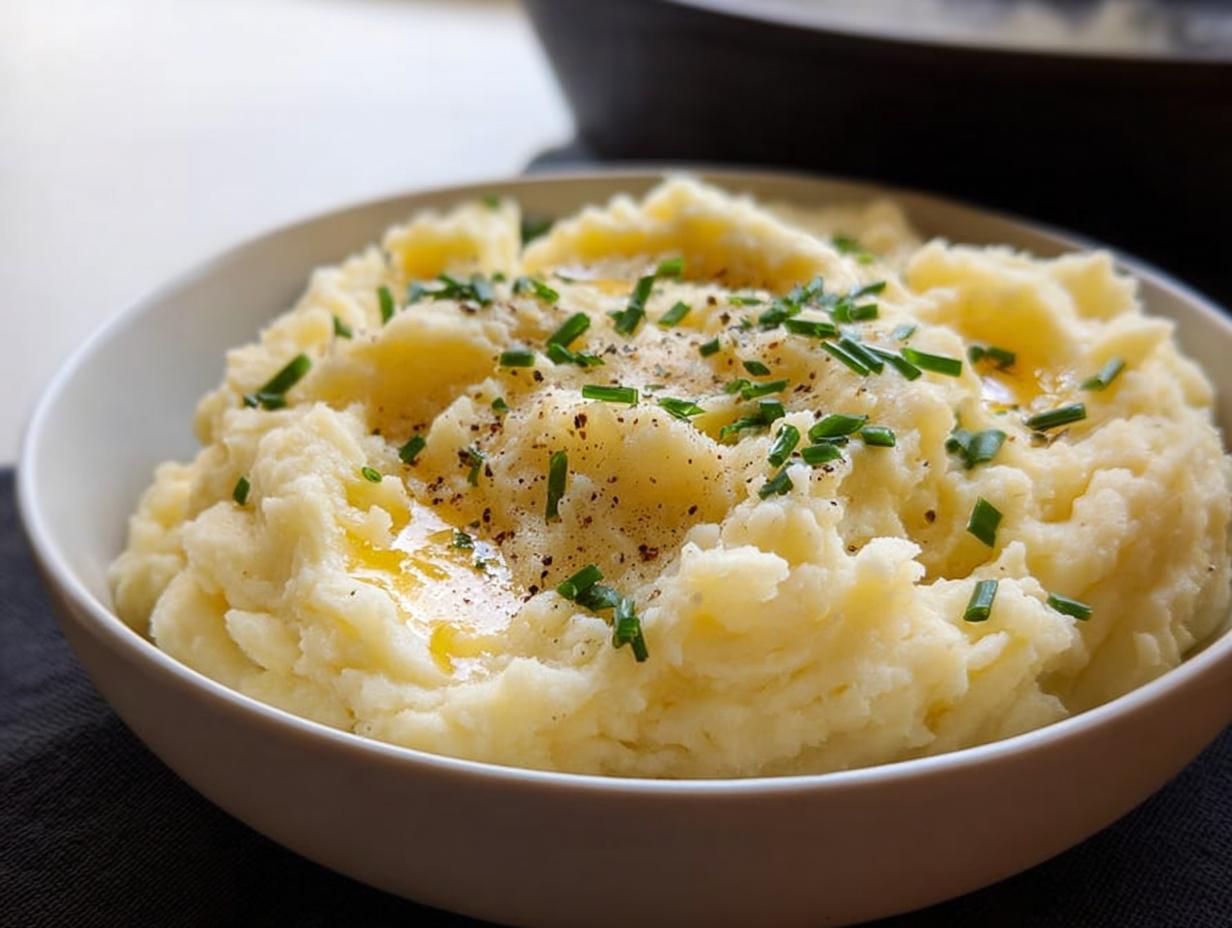
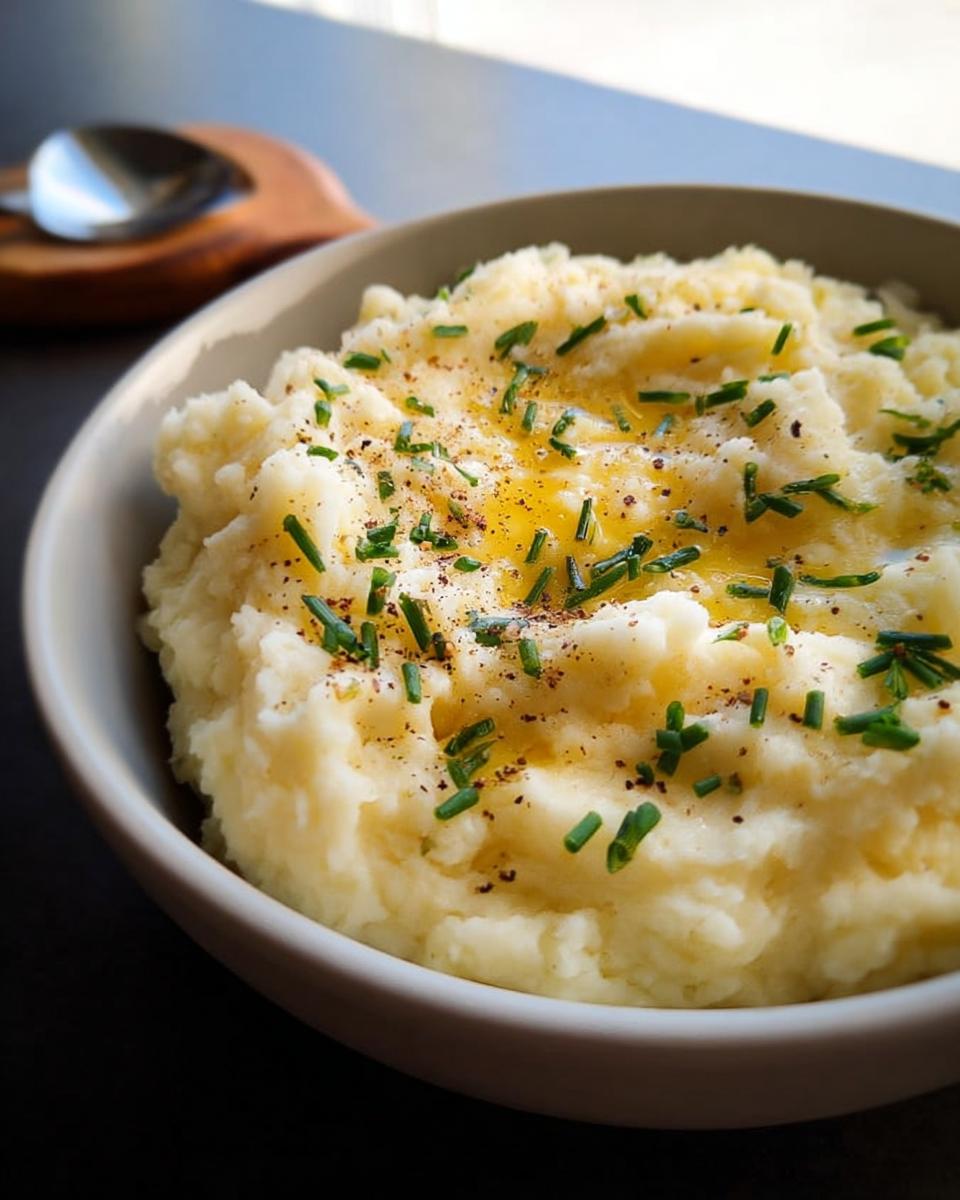
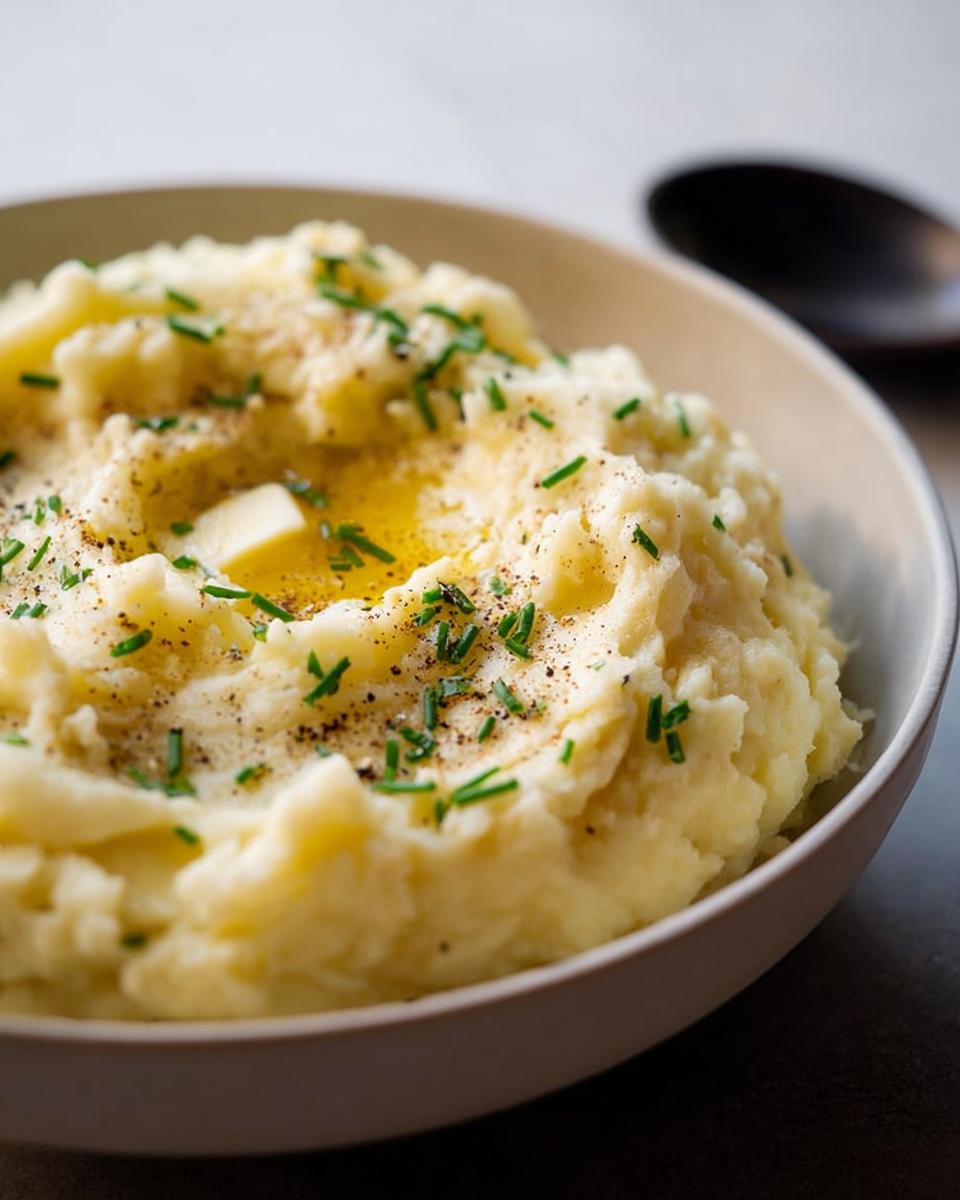
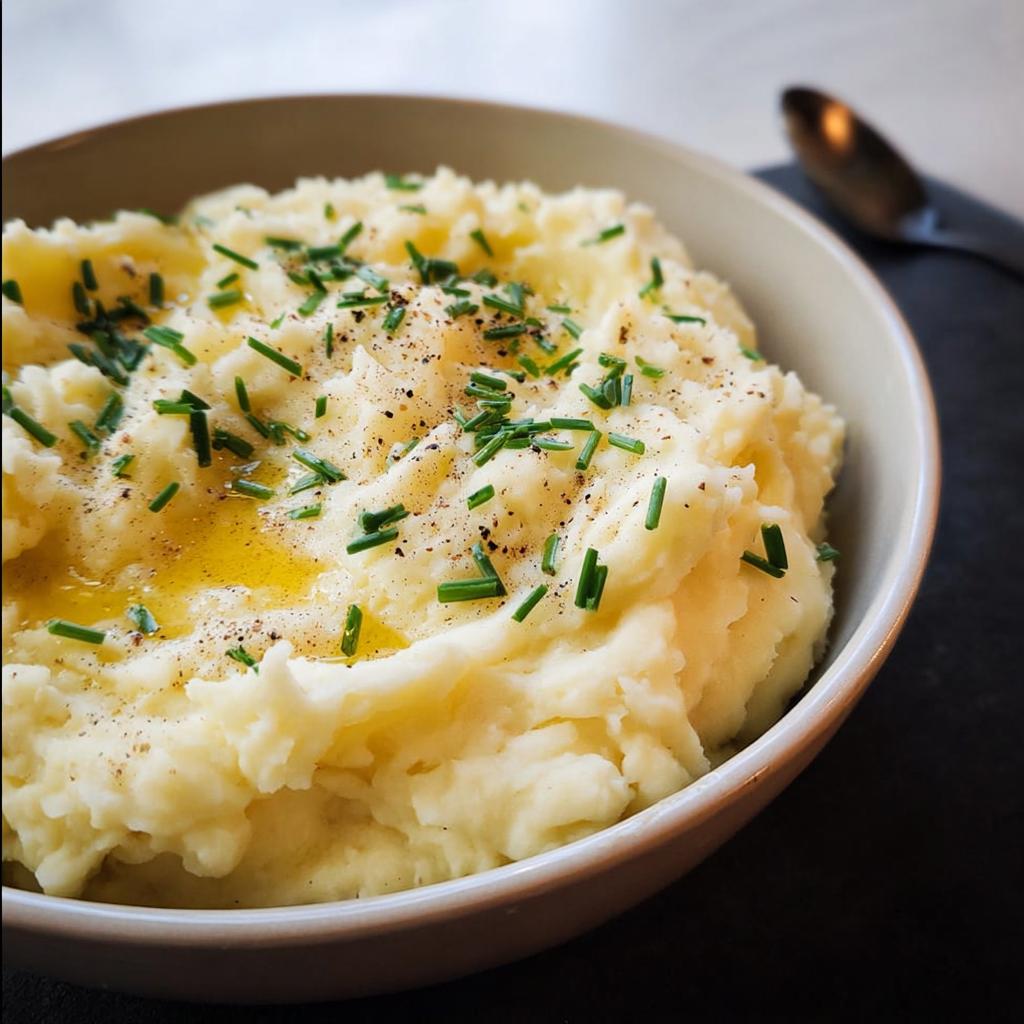
Spoon your glorious mashed potatoes into your favorite serving bowl. You can even make pretty swirls on top with the back of your spoon if you’re feeling fancy! If you’ve got that optional melted butter, now’s the time to drizzle it all over. A sprinkle of those fresh chives, a little more cracked black pepper, and maybe some of that lovely flaky sea salt. Serve them up right away while they’re warm and wonderful!
Tips for Perfect Mashed Potatoes Every Time
Okay, so you’ve got the basic recipe down, but let’s talk about how to make these mashed potatoes absolutely *sing* every single time. These are the little tricks that take them from good to OMG-delicious, and they’re super easy to remember for future batches of this ultimate comfort food! For more inspiration, check out our latest blog posts!
Choosing the Right Potatoes
You’ll notice I’m a big fan of yellow potatoes, like Yukon Golds, for mashed potatoes. They’re not too starchy and not too waxy – they just hit that sweet spot for a creamy, dreamy texture. Russets can work too, but they’re starchier, so you have to be extra careful not to overwork them or they can get gluey! Don’t take my word for it though, see what others are saying about different potato types!
Mashing Techniques for Creamy Texture
This is a biggie! Forget the food processor or high-speed blender – they’ll turn your gorgeous potatoes into wallpaper paste, seriously. A good old-fashioned potato masher is your best friend for this recipe. If you *really* want silky smooth potatoes, a potato ricer or a food mill is fantastic, but a masher works perfectly for that classic, slightly rustic feel. Just mash until they’re mostly smooth but don’t go crazy!
Achieving the Perfect Consistency
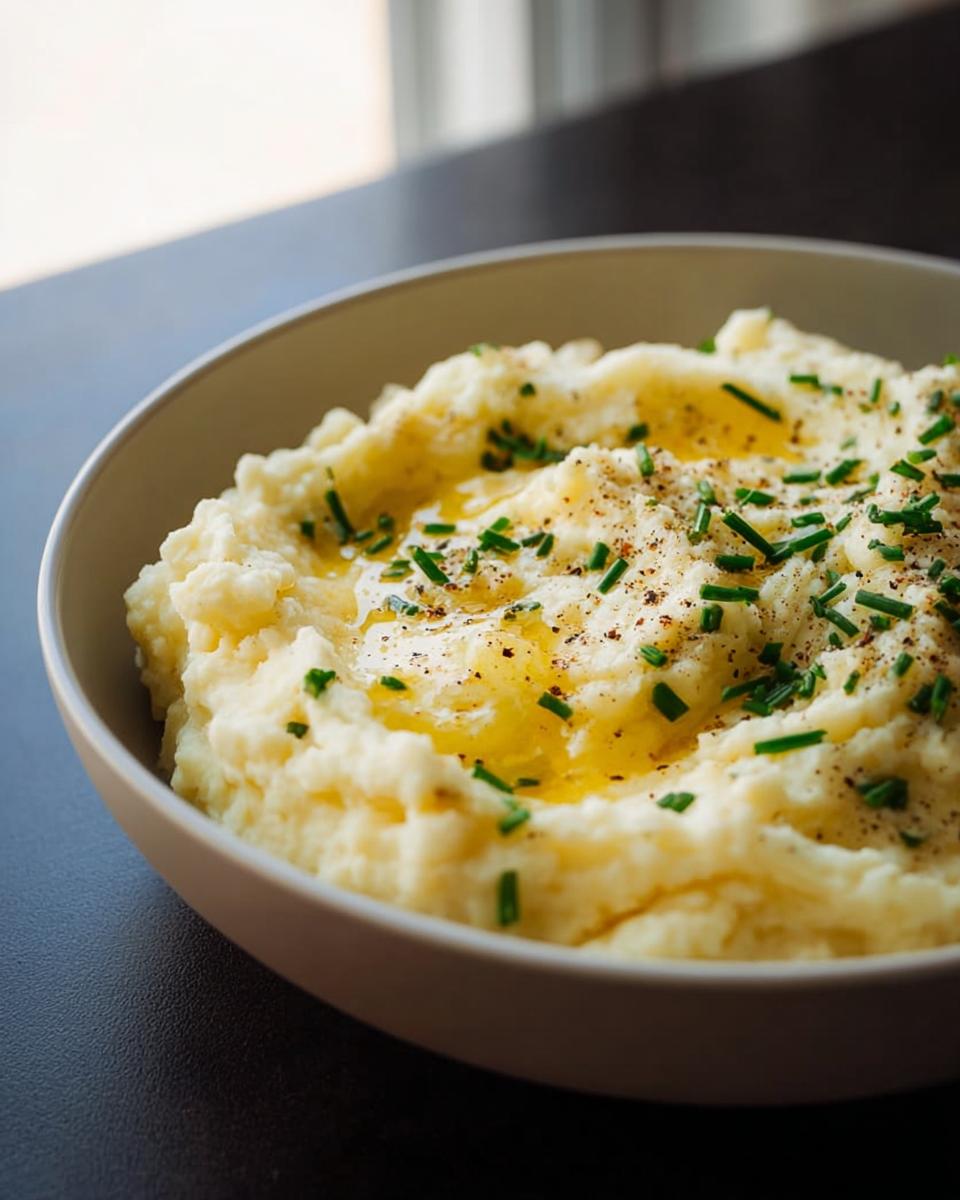
The secret to perfect creaminess? Add your liquids – that lovely warm butter and half and half – a little bit at a time. You can always add more if they seem dry, but it’s super hard to fix mashed potatoes that are too watery! If yours do end up a bit too thin, don’t panic; just pop them back in the pot over low heat for a few minutes, stirring gently, to let some of the steam escape. It usually does the trick!
Ingredient Notes and Substitutions
So, about those ingredients in our mashed potatoes! Sometimes you might not have exactly what’s called for, and that’s totally okay. For the half and half, if you don’t have any, you can absolutely use whole milk – it’ll just be a tad less rich, but still delicious. Or, for super decadent mashed potatoes, try using heavy cream, but maybe cut back just a smidge so they don’t get too heavy. If you’re out of unsalted butter, salted butter works in a pinch, but you’ll definitely want to adjust the added salt in the recipe. And speaking of salt, remember that Kosher salt is less dense than table salt, so if you’re using table salt, start with about half the amount and taste as you go. If you’re looking for something a bit different, you could also try adding a tablespoon of cream cheese or some sour cream when you’re mashing for an extra tangy kick! For other tips on making your meals healthier, check out our tips on healthy oats!
Frequently Asked Questions about The Ultimate Mashed Potatoes Recipes Guide for Beginners
Got questions about making the perfect mashed potatoes? I totally get it! It’s easy to get tripped up when you’re just starting out, but don’t worry, I’ve got you covered. Here are some of the most common things beginners ask, and my two cents on them.
Can I make mashed potatoes ahead of time?
You sure can! I often make mine a few hours ahead of serving. Just keep them warm in a slow cooker on the ‘warm’ setting, stirring occasionally, or gently reheat them on the stovetop. If they get a little stiff, just stir in a splash more half and half or milk. They won’t be *quite* as fluffy as fresh-made, but they’re still mighty delicious comfort food!
What is the best way to reheat mashed potatoes?
The stovetop is my go-to method. Transfer your leftovers to a saucepan, add a knob of butter and a splash of milk or half and half, and heat gently over low heat, stirring often. A slow cooker on warm also works wonders. Avoid the microwave if you can, as it can sometimes make them a bit gummy or unevenly heated, but it’s still a quick option in a pinch!
Why are my mashed potatoes gummy or gluey?
Oh, the dreaded gummy texture! This usually happens when you overwork the potatoes, especially if you use a food processor or even a mixer for too long. The starch in the potatoes gets agitated, and it creates that gluey effect. The trick is to mash them just until they’re mostly smooth and then gently fold in your liquids. Stop mashing when it looks good, don’t keep going obsessively!
How can I make my mashed potatoes richer?
For an extra decadent batch of mashed potatoes, try using heavy cream instead of half and half. You can also swap out some of the butter for cream cheese or a dollop of sour cream right at the end. And don’t forget good quality, real butter – it makes a HUGE difference in flavor!
If you still have questions, feel free to reach out! You can always contact us.
Storing and Reheating Your Mashed Potatoes
So, you’ve got some leftover mashed potatoes? Lucky you! They’re still amazing the next day. Just pop them into an airtight container and pop that in the fridge. They should stay nice and fresh for about 5 to 6 days. When you’re ready to enjoy them again, the best way to reheat is gently on the stovetop with a little extra butter and a splash of milk or half and half to bring back that creamy texture. A slow cooker on low or even a gentle bake in the oven works wonders too!
Nutritional Information
Just so you know, the nutritional info for these mashed potatoes is an estimate, okay? Things can change based on the exact ingredients you use and how much you eat! Generally, you’re looking at about 415 calories per serving, with around 19g of fat, 5.5g of protein, and 56g of carbohydrates. And yes, there’s a little bit of sugar in there too!
Share Your Mashed Potato Creations!
Alright, now that you’ve hopefully made the most amazing mashed potatoes of your life, I *really* want to hear about it! Did you get them perfectly creamy? Did you try a fun garnish? Jump down to the comments below and tell me all about your experience! If you loved this guide, please give it a rating—it really helps other beginners find their way to mashed potato bliss. And hey, if you snap a pic of your creation, tag us on social media! For more info on how we handle your data, check out our privacy policy!
The Ultimate Mashed Potatoes Recipes Guide for Beginners
Ingredients
Equipment
Method
- Peel the potatoes if desired. Cut them into evenly sized pieces, about 2.5 inches. Place the potato pieces in a large saucepan and cover with cold water (about 6-8 cups). You can cook them immediately or cover and set aside for a few hours; the cold water prevents browning.
- Add 1 tablespoon of Kosher salt to the water. Cover the pot and heat over medium to medium-high heat until the water reaches a low boil, about 25-30 minutes. Test for doneness by piercing a potato with a fork; it should slide in easily. If not, cook for another 3-4 minutes. Drain the potatoes and return the empty pot to the stove.
- Return the empty pot to the stove over low heat. Add the butter, half and half, salt, and pepper. Stir until combined and bring to a low simmer, then turn off the heat. Return the drained potatoes to the pot. Mash the potatoes using your preferred method, being careful not to overwork them for the best texture. Gently fold everything together with a spoon or spatula. Taste and adjust seasoning as needed.
- Spoon the mashed potatoes into a serving bowl. If desired, create swirls with the back of a spoon. Drizzle with melted butter and top with fresh chives, black pepper, and flaky sea salt. Serve immediately.
Nutrition
Notes
Tried this recipe?
Let us know how it was!
Ryan Cooper, Efficiency & Testing Coordinator
I’ve spent the past six years obsessed with making cooking easier, leading to my role as Efficiency & Testing Coordinator at Low Carb Recipe Journal. My food science and ingredient analysis background helps me create low-carb recipes that actually work in real kitchens—without fancy equipment or chef-level skills.
My journey started at Mountain View Culinary Institute in kitchen operations, where I became fascinated by why some recipes fail and others succeed. I discovered my talent for spotting unnecessarily complicated cooking processes and simplifying them without losing quality. Working with restaurant chains and meal delivery services, I helped cut preparation times by 35% while maintaining delicious results.
I’ve shared my systematic approach with culinary schools and food science programs, developing testing methods now used by several meal prep companies. My “precision without perfection” philosophy drives me—amazing results shouldn’t require professional training or expensive gadgets.
This mindset stems from my love of competitive cooking and ultralight backpacking, where every step must count and simplicity is everything. I apply these same principles when testing recipes, ensuring success with standard home kitchen tools.
When I’m not testing endless recipe variations in my Denver kitchen, I’m hiking Colorado’s trails, building custom kitchen storage solutions in my woodworking shop, or spending time with my three rescue cats—Sage, Basil, and Pepper.
At Low Carb Recipe Journal, I ensure every published recipe has been thoroughly tested for reliability and ease. My goal is simple: turn complex nutritional goals into achievable daily wins that build your confidence in the kitchen.