
Oh, craving some truly amazing pasta? You know, the kind that makes you feel like you’re dining in a little trattoria in Italy? Well, you’ve landed in the right spot! Forget those boxed noodles; we’re diving deep into How to Make Pasta Recipes Like a Pro (2025). My goal here is to show you that you don’t need fancy culinary school degrees to make incredible, restaurant-quality pasta right in your own kitchen. I vividly remember my first attempt – it was a soggy, flour-covered mess on a rainy Saturday. After watching countless hours of chefs on TV, I finally got it right, and let me tell you, that first homemade spaghetti tasted like pure magic. It completely changed how I cook and inspired me to share this journey with you!
Why You’ll Love This How to Make Pasta Recipes Like a Pro (2025) Guide
Honestly, you’re going to absolutely *adore* diving into this guide! We break down How to Make Pasta Recipes Like a Pro (2025) in a way that feels super achievable, even if you’ve never touched pasta dough before. Here’s what makes it so special:
- Learning Made Easy: We take all the guesswork out of it. You’ll find simple, step-by-step instructions that make creating your own pasta feel totally doable.
- Restaurant-Quality Results: Get ready for that amazing chewy texture and incredible flavor that only fresh pasta can provide. It’s like bringing your favorite Italian spot right into your home!
- Pure Satisfaction: There’s just something so rewarding about serving up a dish you made entirely from scratch. Your friends and family will be seriously impressed!
Essential Equipment for Pro Pasta Making
Alright, so to get that perfect pasta texture, you’ll want a few key players in your kitchen arsenal. Don’t worry, you don’t need a professional setup! A good old rolling pin is your best friend for getting that dough super thin – it takes a little elbow grease, but it’s totally worth it. If you’re feeling fancy, or just want a little help, a pasta machine (either the crank kind or an electric one) is fantastic for consistently rolling and cutting. Honestly, they make shaping noodles so much fun! And for drying, a simple pasta drying rack is super handy, though you can totally get creative with clean chairs or even the back of a broomstick if you’re in a pinch. You could even use something like a Frankie basket to help organize your drying strands!
Ingredients for Perfect Homemade Pasta
Okay, so for the pasta dough itself, you really only need a few good things. We’re talking 300 grams of all-purpose flour – just grab your standard bag, and remember to have a little extra handy for dusting later. Then, you’ll need three large eggs and about a teaspoon of salt to wake up the flavors. For drying, which is super important to keep things from sticking, a cup of semolina flour is your best bet. Simple, right? It’s amazing what these few ingredients can turn into!
Step-by-Step: How to Make Pasta Recipes Like a Pro (2025)
Alright, let’s get our hands floury and make some pasta! Learning How to Make Pasta Recipes Like a Pro (2025) is totally within reach. Remember my Saturday afternoon kitchen disaster? You’ll get past that! Follow these steps, and you’ll be whipping up beautiful pasta in no time. It’s all about feeling the dough and trusting the process. Don’t be afraid to get a little messy – that’s part of the fun!
Making the Pasta Dough
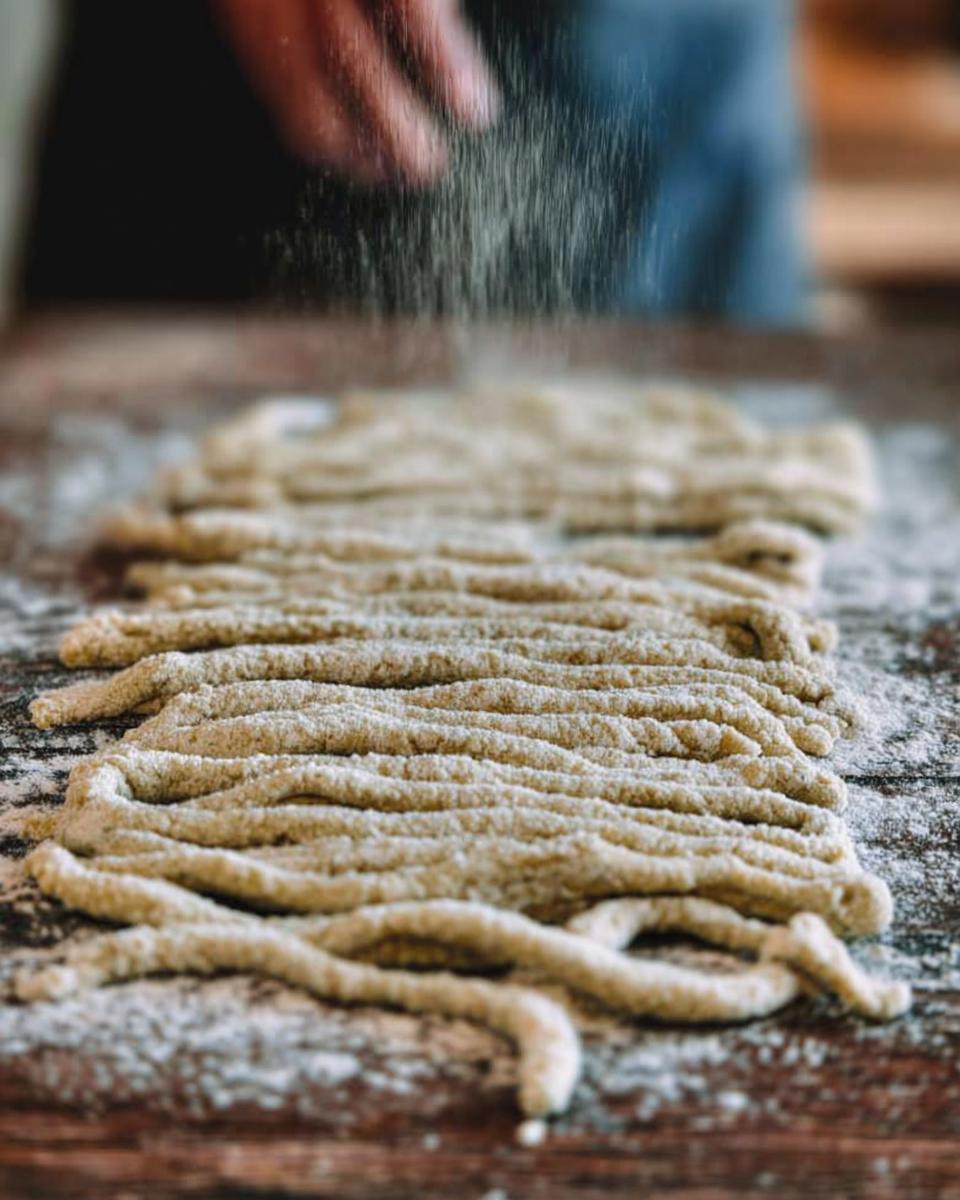
First up, let’s make the magic happen! In a big bowl, mix your flour, salt, and those three beautiful large eggs. Just stir until it looks like a shaggy mess – don’t worry, that’s exactly what you want! Turn it out onto a surface that’s been lightly dusted with flour. Now, get ready for a little workout! Knead that dough for about 8 to 10 minutes. You’re looking for a dough that’s super smooth and has a nice, springy feel to it. It should bounce back when you poke it gently. My tip? Just keep going until it feels like soft, supple leather.
Resting the Dough for Easier Handling
This next step is crucial, so don’t skip it! Once your dough is perfectly kneaded, wrap it up nice and tight in plastic wrap. Let it hang out at room temperature for at least 30 minutes. This little break lets the gluten relax, making the dough way easier to roll out later. Trust me, it goes from being a bit stubborn to wonderfully pliable!
Rolling and Shaping Your Pasta
Now for the fun part where it starts looking like actual pasta! Grab your rested dough and cut it into smaller, manageable pieces. I usually go for about four sections. Flatten each piece a little, and then let’s get rolling! If you’re using a pasta machine, start on the widest setting and pass the dough through. Fold it, then pass it again. Keep doing this, and then gradually move to thinner settings until you get it just right – think about half a millimeter thick for most shapes. If you’re using a rolling pin like I sometimes do when I’m feeling adventurous, just keep rolling until it’s super thin. Then, you can use your pasta machine’s cutter attachment or a knife to create shapes like fettuccine, spaghetti, or even lasagna sheets!
Drying Fresh Pasta Effectively
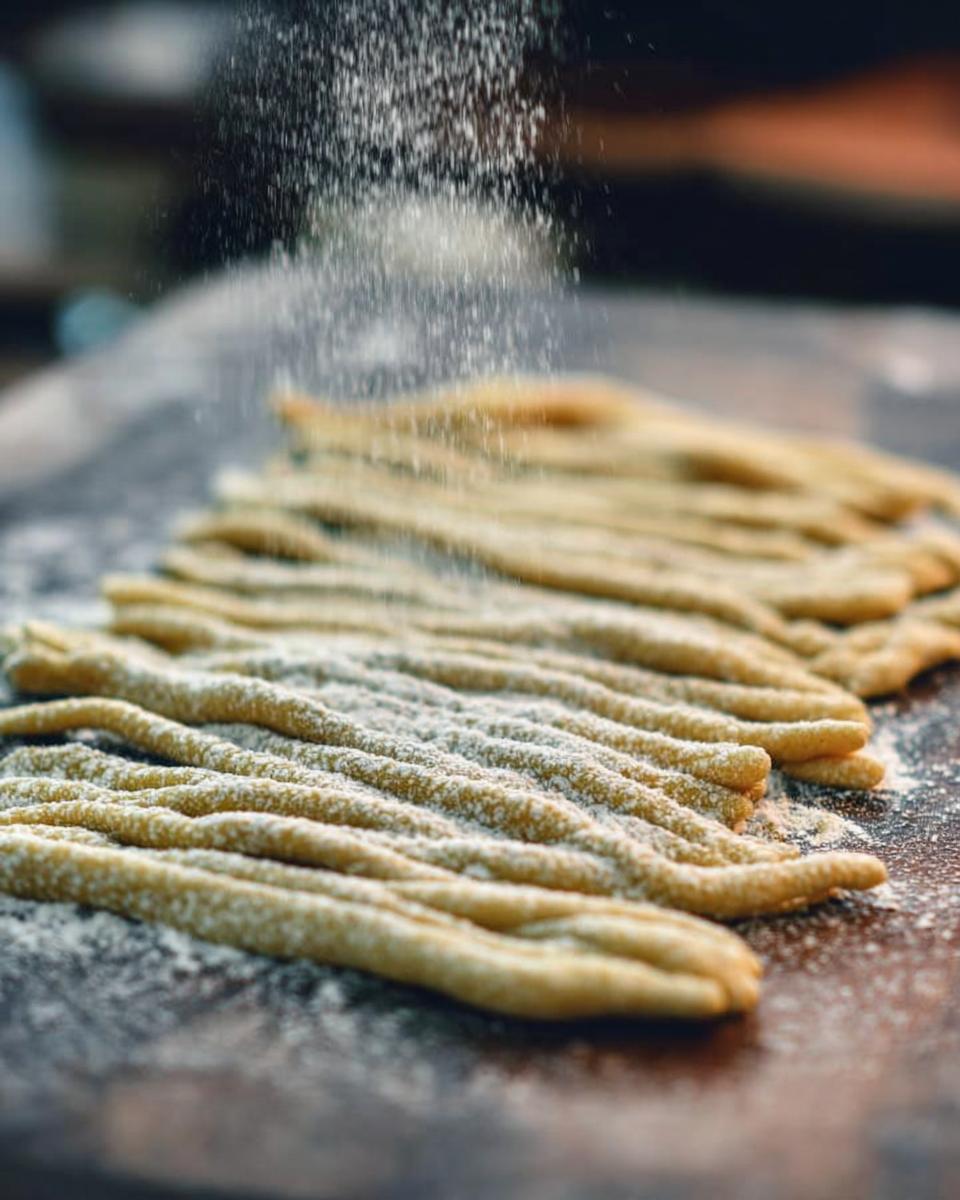
Once your beautiful pasta strands are cut, it’s time to stop them from sticking together. Give them a little sprinkle of semolina flour and gently toss them around. You can then either hang them on a pasta drying rack, which is super handy, or lay them flat on a clean surface dusted with more semolina. Let them dry for about 30 minutes to an hour, or until they feel dry to the touch but not brittle. This step is key for cooking it perfectly later and for storing it if you don’t cook it right away!
Cooking Fresh Pasta to Perfection
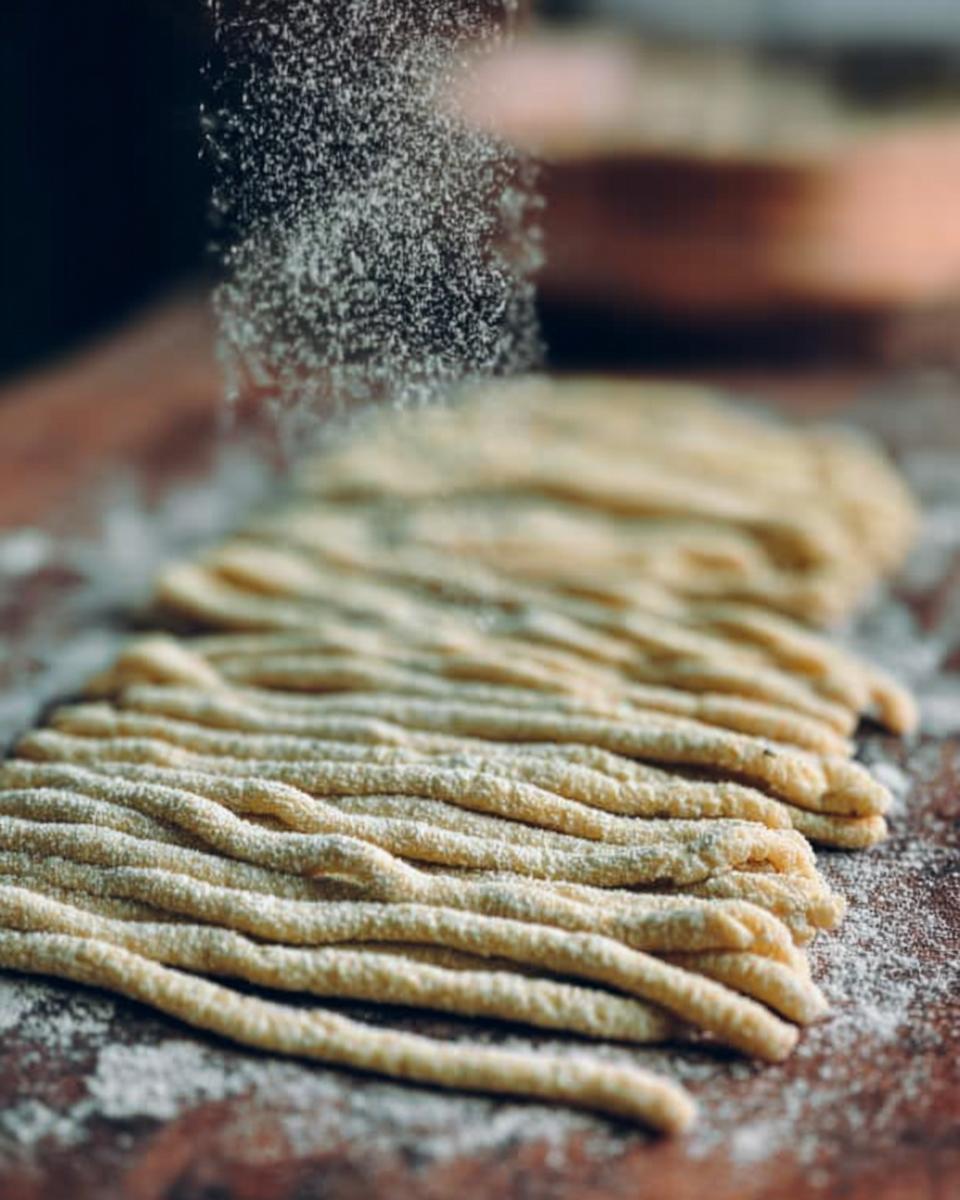
Finally, it’s time to cook your masterpiece! Get a big pot of water, like, really big, and make sure it’s salted generously – think of it as seasoning your pasta from the inside out. Bring it to a rolling boil. Drop your gorgeous fresh pasta in and it cooks super fast, usually just 2 to 4 minutes. You want it ‘al dente,’ which means it’s tender but still has a slight bite. Be careful not to overcook it! Drain it right away and toss it with your favorite sauce. You can find some tasty pasta sauce ideas right here!
Tips for How to Make Pasta Recipes Like a Pro (2025)
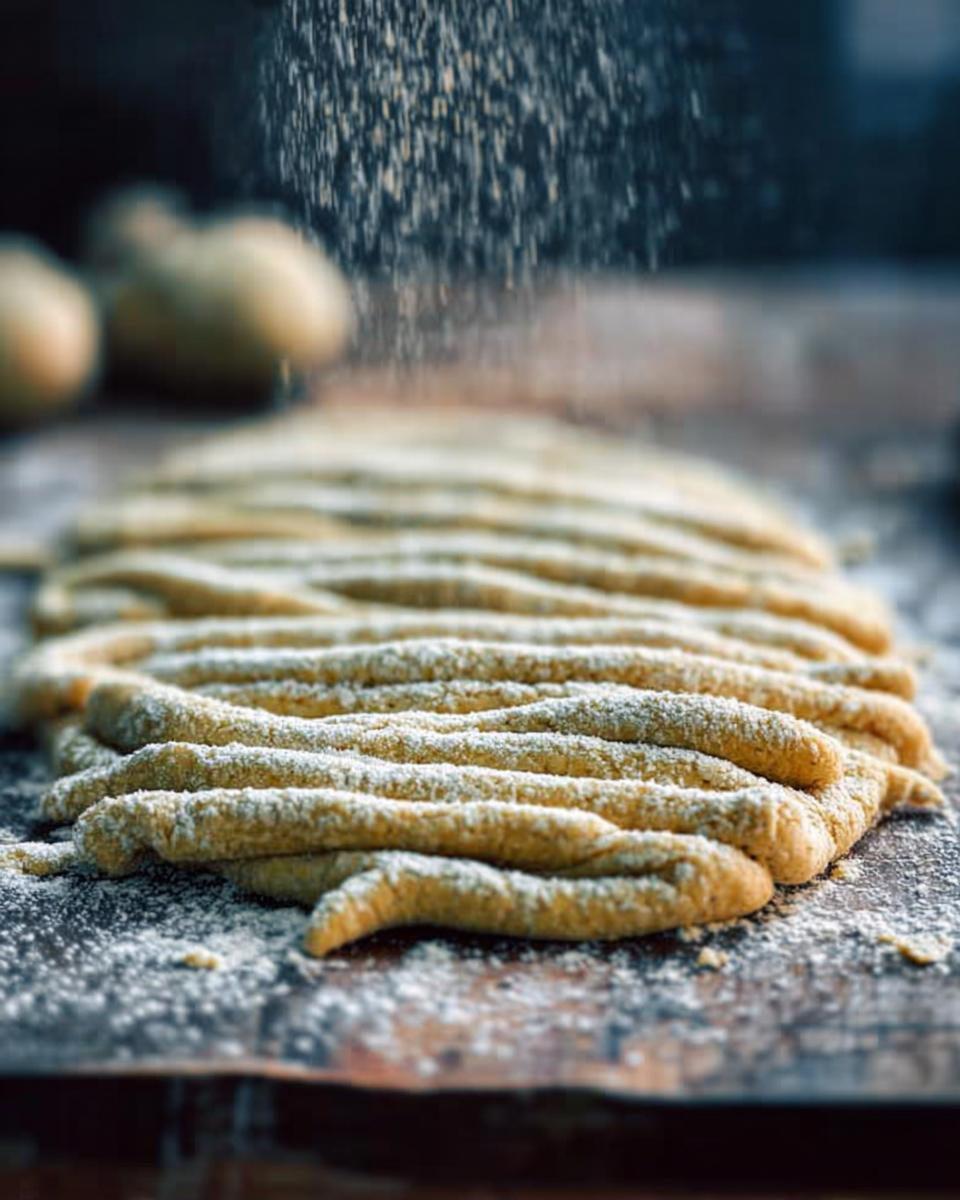
Okay, so you’ve got the basic steps down, but how do you really *nail* that pro-level pasta? It’s all in the little details! When you’re making your dough, aim for a consistency that feels like a firm, yet pliable earlobe – a bit stiff is better than too soft, because it’ll relax as you knead. If it feels too dry and crumbly, just a tiny splash of water can help. Too sticky? More flour, but add it just a *teaspoon* at a time. When you’re rolling, don’t be afraid to keep passing that dough through the machine, especially on the thinner settings. It might seem like it’s getting too thin, but that’s how you get that beautiful translucence and perfect bite. If you’re ever struggling with the dough tearing, let it rest a little longer; patience is key to mastering How to Make Pasta Recipes Like a Pro (2025). Oh, and try not to overcrowd your drying rack – giving the pasta space ensures it dries evenly, preventing weird, gummy spots. You can even try some healthy oats in a side dish if you’re feeling inspired!
Common Questions About Making Pasta
It’s totally normal to have questions when you’re diving into something new, especially making pasta from scratch! Here are a few things that usually pop up. For more general insights, you can always check out our About Us page!
Can I freeze fresh pasta dough?
You sure can! It’s a great way to have fresh pasta ready whenever the craving hits. Just wrap it super tightly in plastic wrap to avoid freezer burn, and it should keep well for about a month. When you’re ready to use it, just thaw it overnight in the fridge, and it should be good as new!
What’s the best flour for homemade pasta?
While all-purpose flour works perfectly fine – and I use it all the time! – a lot of pros swear by something called “00” flour. It’s milled super fine and gives your pasta a really silky, smooth texture. But honestly, don’t stress if you can’t find it. Your regular all-purpose flour, especially a good quality one like the kind you’d use for wheat pancakes, will give you fantastic results too. It’s all about that texture!
How do I know when my pasta is cooked?
For fresh pasta, it’s quick! You’re looking for that perfect ‘al dente’ bite – tender but with just a little resistance when you chew. It should look plump and slightly glossy. If it’s mushy, it’s overcooked. You’ll get a feel for it after a batch or two!
Serving Suggestions for Your Homemade Pasta
Now that you’ve made this gorgeous pasta from scratch, what are you going to serve it with? Oh, the possibilities! A classic tomato sauce is always incredible, but you could also go for a rich Bolognese, a creamy Alfredo, or even a light pesto. For something a little different, try a garlic and olive oil based sauce with some roasted vegetables – maybe some broccoli or cherry tomatoes. It’s also delicious with just a sprinkle of good Parmesan cheese! And if you’re looking for amazing side dishes, you really can’t go wrong with a fresh sprouts salad or a vibrant spinach salad. It’s all about letting that fresh pasta shine!
Nutritional Information (Estimated)
Just a little heads-up, the nutritional info can really change depending on exactly what you use, but roughly, a serving of this fresh pasta usually comes in around 350-400 calories, with about 10-15g of fat, 15-20g of protein, and a good heft of carbohydrates at around 50-60g. These are just estimates, of course, so keep that in mind! If you’re looking for some lighter dessert ideas, check out this sugar-free ice cream!
Share Your Pasta Creations!
So, how did your pasta adventure turn out? I’d absolutely love to hear all about it! Did you try a fun new shape? Did your dough turn out perfectly smooth? Please drop a comment below and let me know your experience, or even rate the recipe! And if you snap a pic of your amazing homemade pasta, tag us on social media – we can’t wait to see what you’ve created! Need to get in touch separately? You can always reach us via our contact page.

How to Make Pasta Recipes Like a Pro (2025)
Ingredients
Equipment
Method
- Make the dough: Combine flour, salt, and eggs in a bowl. Mix until a shaggy dough forms. Turn out onto a lightly floured surface and knead for 8-10 minutes until smooth and elastic.
- Rest the dough: Wrap the dough tightly in plastic wrap and let it rest at room temperature for at least 30 minutes. This allows the gluten to relax, making it easier to roll.
- Prepare your equipment: Set up your pasta machine or rolling pin and have your semolina flour ready for dusting.
- Roll the dough: Divide the dough into manageable portions. Flatten each portion and pass it through the widest setting of your pasta machine. Fold and pass again. Continue passing the dough through progressively thinner settings until you reach your desired thickness. If using a rolling pin, roll it out as thinly as possible.
- Cut the pasta: Use the cutting attachment of your pasta machine or cut the dough by hand into your desired shapes (e.g., fettuccine, spaghetti, lasagna sheets).
- Dry the pasta: Lightly dust the cut pasta with semolina flour to prevent sticking. Hang the pasta on a drying rack, lay it flat on a clean surface, or drape it over the backs of chairs until it feels dry to the touch, about 30 minutes to an hour.
- Cook the pasta: Bring a large pot of salted water to a rolling boil. Add the fresh pasta and cook for 2-4 minutes, or until al dente. Drain and serve immediately with your favorite sauce.
Notes
Tried this recipe?
Let us know how it was!
Ryan Cooper, Efficiency & Testing Coordinator
I’ve spent the past six years obsessed with making cooking easier, leading to my role as Efficiency & Testing Coordinator at Low Carb Recipe Journal. My food science and ingredient analysis background helps me create low-carb recipes that actually work in real kitchens—without fancy equipment or chef-level skills.
My journey started at Mountain View Culinary Institute in kitchen operations, where I became fascinated by why some recipes fail and others succeed. I discovered my talent for spotting unnecessarily complicated cooking processes and simplifying them without losing quality. Working with restaurant chains and meal delivery services, I helped cut preparation times by 35% while maintaining delicious results.
I’ve shared my systematic approach with culinary schools and food science programs, developing testing methods now used by several meal prep companies. My “precision without perfection” philosophy drives me—amazing results shouldn’t require professional training or expensive gadgets.
This mindset stems from my love of competitive cooking and ultralight backpacking, where every step must count and simplicity is everything. I apply these same principles when testing recipes, ensuring success with standard home kitchen tools.
When I’m not testing endless recipe variations in my Denver kitchen, I’m hiking Colorado’s trails, building custom kitchen storage solutions in my woodworking shop, or spending time with my three rescue cats—Sage, Basil, and Pepper.
At Low Carb Recipe Journal, I ensure every published recipe has been thoroughly tested for reliability and ease. My goal is simple: turn complex nutritional goals into achievable daily wins that build your confidence in the kitchen.