Eggs are honestly one of those magical ingredients, aren’t they? So simple, yet they can transform into so many incredible dishes. Whether you’re whipping up a quick easy dinner for the family, a fancy brunch, or just need a satisfying meal in minutes, eggs are your best friend. I still remember the first time I cracked an egg into a hot pan, excited yet nervous. It was for a Sunday brunch with friends, and I was determined to impress them with a perfectly fluffy omelette. After a few mishaps involving burnt edges and a lumpy texture, I finally got it right! That satisfaction of mastering a simple dish was the spark that ignited my passion for cooking. Since then, I’ve spent years honing my skills and discovering the endless possibilities of egg recipes, and I can’t wait to share what I’ve learned with you. If you’re looking to learn How to Make Egg Recipes Like a Pro (2025), you’ve come to the right place! As a Senior Culinary Nutritionist & Lead Recipe Developer, my goal is to guide you through techniques that will make your egg dishes truly shine, no matter your skill level.
Why Master Egg Recipes Like a Pro (2025)?
Let’s be honest, eggs are culinary superheroes! They’re incredibly versatile and super budget-friendly. Learning to cook them like a pro means you’ve unlocked a whole new level of cooking. You can whip up a quick, impressive easy dinner for the family, create stunning brunch dishes that wow guests, or even meal prep for the week with confidence. Mastering eggs isn’t just about cooking; it’s about understanding a foundational skill that opens doors to countless other culinary adventures, making you a more confident and capable cook overall. Trust me, it’s a game-changer!
Essential Tools for Pro Egg Recipes
Alright, so before we dive into making eggs like a total rockstar, we gotta make sure you’ve got the right gear. Don’t worry, it’s not a fancy chef’s kitchen we’re talking about, just a few trusty basics that make all the difference. Having these on hand will seriously help you nail those perfect textures and save you from sticky pan nightmares. It’s all about setting yourself up for success!
The Right Pan for Perfect Eggs
Seriously, a good nonstick pan is your best friend when it comes to eggs. If your pan is scratched or just doesn’t cooperate, your beautiful eggs are going to stick and tear, and nobody wants that! A quality nonstick surface means your omelets will slide right out, your scrambled eggs won’t cling to the bottom, and you’ll spend way less time scrubbing. It’s a small investment that pays off big time in cooking happiness.
Essential Utensils for Egg Mastery
Beyond the pan, a few simple tools are a must. A good whisk is key for getting those eggs light and foamy, especially for scrambled eggs and omelets. Then there’s your trusty rubber spatula – it’s gentle, flexible, and perfect for coaxing those curds together without roughing them up. And of course, a simple mixing bowl is where all the magic starts. These guys might seem basic, but they’re your secret weapons for achieving that perfect fluffy texture every single time.
Perfectly Scrambled Eggs: How to Make Egg Recipes Like a Pro (2025)
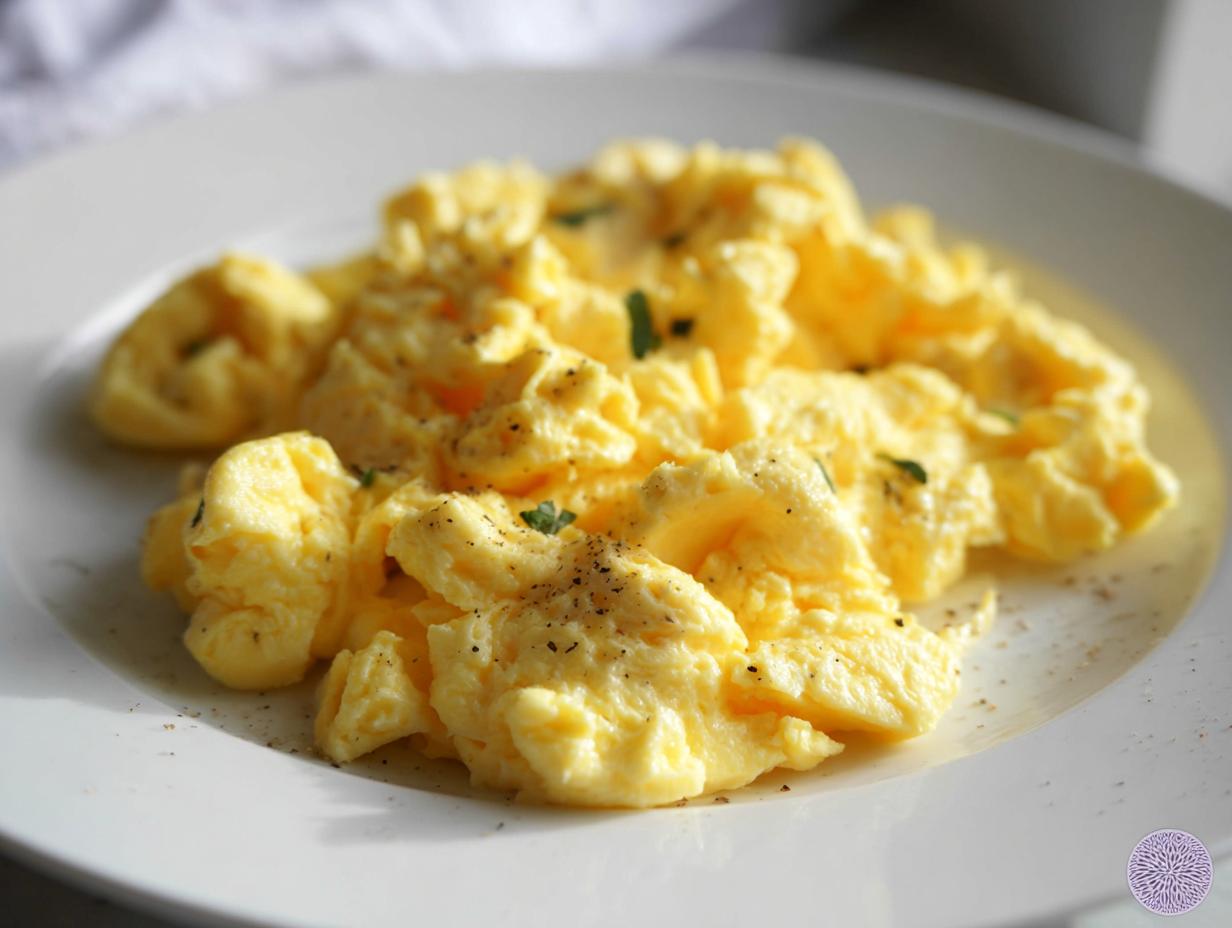
Okay, let’s talk about the humble scrambled egg. This is where the rubber *really* meets the road when you’re learning How to Make Egg Recipes Like a Pro (2025). Forget those dry, rubbery discs – we’re going for fluffy, creamy perfection! It’s all about technique and a little bit of patience. The trick is to cook them low and slow, gently coaxing them along. This method ensures every bite is tender and delicious, a far cry from what you might have made in a hurry before. And don’t worry if it takes a couple of tries; understanding *why* we do each step, like not overcrowding the pan and controlling the heat, is key to becoming an egg-cooking wizard.
For more scrambled egg inspiration, check out this great resource!
Ingredients for Fluffy Scrambled Eggs
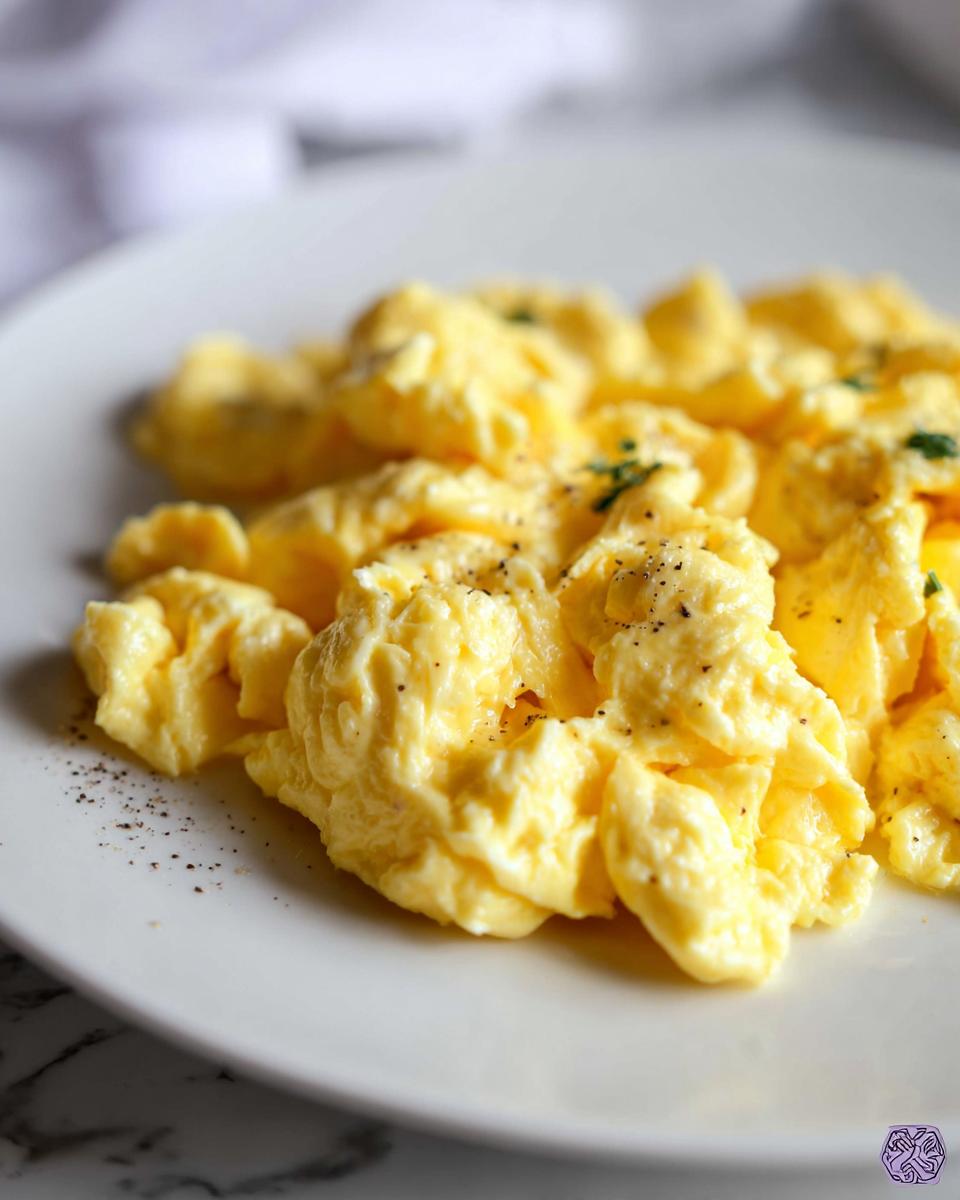
Here’s what you’ll need to make eggs that are truly something special. These ingredients are simple, but they work together beautifully. You’ve got four large eggs, which give you that lovely, substantial base. Then, a quarter cup of half-and-half adds richness and creaminess – it’s what makes them so wonderfully tender. A quarter teaspoon of coarse salt is perfect for seasoning without overpowering. And of course, a tablespoon of unsalted butter for getting that pan nice and slick. Sometimes, I love to finish mine with a little freshly cracked black pepper or some bright, fresh chopped herbs if I have them on hand, but those are totally optional!
Step-by-Step Scrambled Egg Preparation
Alright, let’s get these beautiful eggs cooking! First things first, grab a medium mixing bowl. Whisk together your four large eggs, that quarter cup of half-and-half, and the salt. Keep whisking until the color is all uniform and it looks nice and light, maybe even a little foamy. That’s step one! Next, place your small nonstick pan over medium heat. Add your tablespoon of butter and let it melt. You want it to coat the whole bottom of the pan and just start to get a little foamy – that means it’s hot enough. Now, pour those whisked eggs right into the center of that buttery pan. Immediately turn the heat down to medium-low. This is important! We want gentle cooking. Wait for just the edges to *barely* start to set. Then, with your rubber spatula, gently push the cooked bits from one side of the pan to the other. Let the uncooked egg flow into the spaces you make. Keep doing this, pausing between pushes to let the eggs cook a bit. You’re forming these lovely, big, pillowy folds of egg. When they look mostly cooked but still shiny and a little wet – remember, they’ll keep cooking a bit from the residual heat – gently fold them into themselves just a couple of times. Bring it all together. Then, *right away*, take the pan off the heat. You want them to still shimmer a little. Slide them onto your plates immediately, and if you’re feeling fancy, add that pepper and herbs!
Pro Tips for Scrambled Egg Perfection
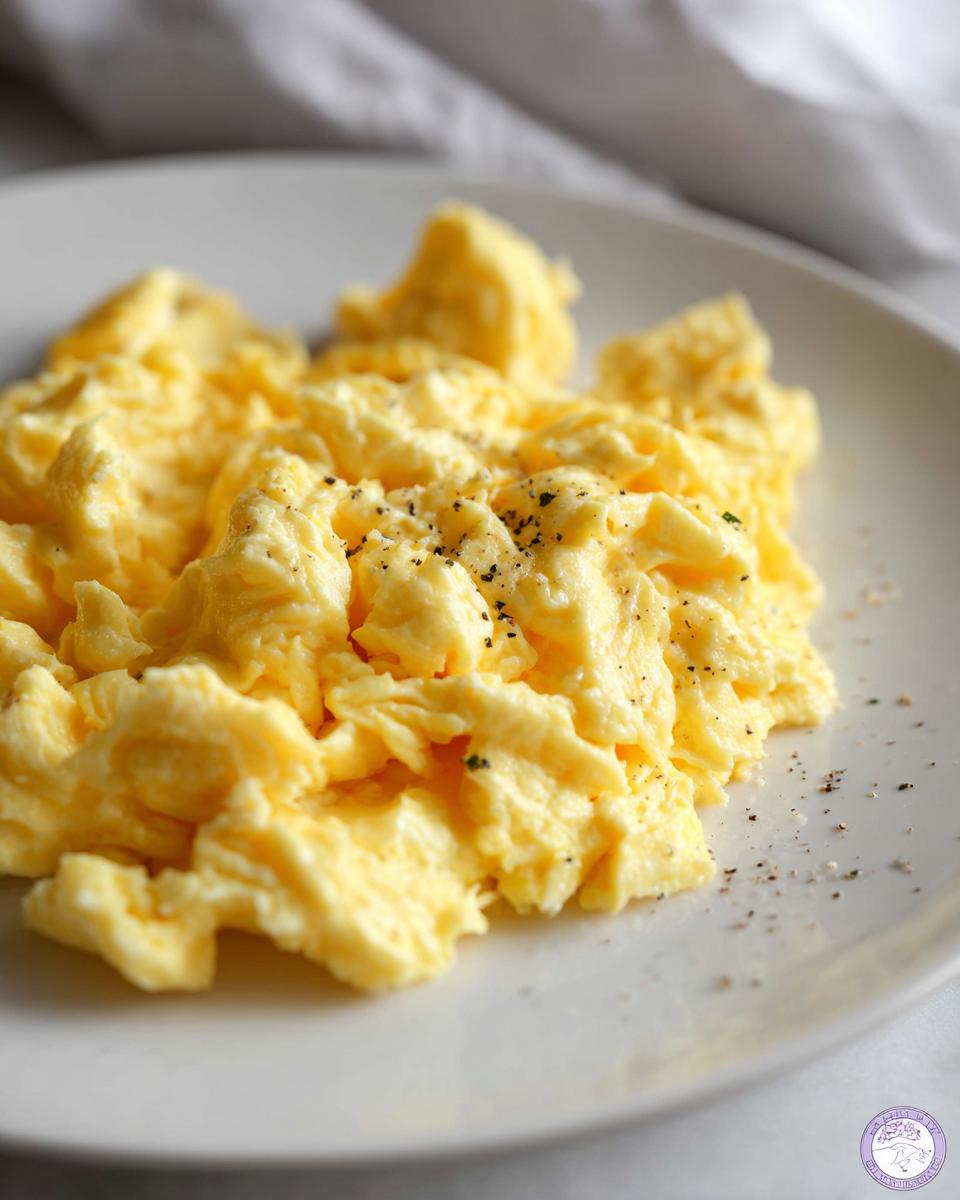
Want to take your scrambled eggs from good to *great*? Here’s the insider scoop. The secret weapon really is slow and steady heat; cooking them over medium-low heat is non-negotiable for that creamy texture. Don’t whisk them to death beforehand either – just until they’re combined and a little frothy is perfect. Over-whisking can actually break down the proteins too much, leading to watery eggs. And the biggest tip? Take them off the heat *just before* they look done. They’ll continue to cook in the hot pan and on the plate, so pulling them off when they still have a slight shimmer prevents them from getting dry and overcooked. It’s all about that perfect, tender bite!
Beyond Scrambled: Exploring Other Egg Recipes Like a Pro (2025)
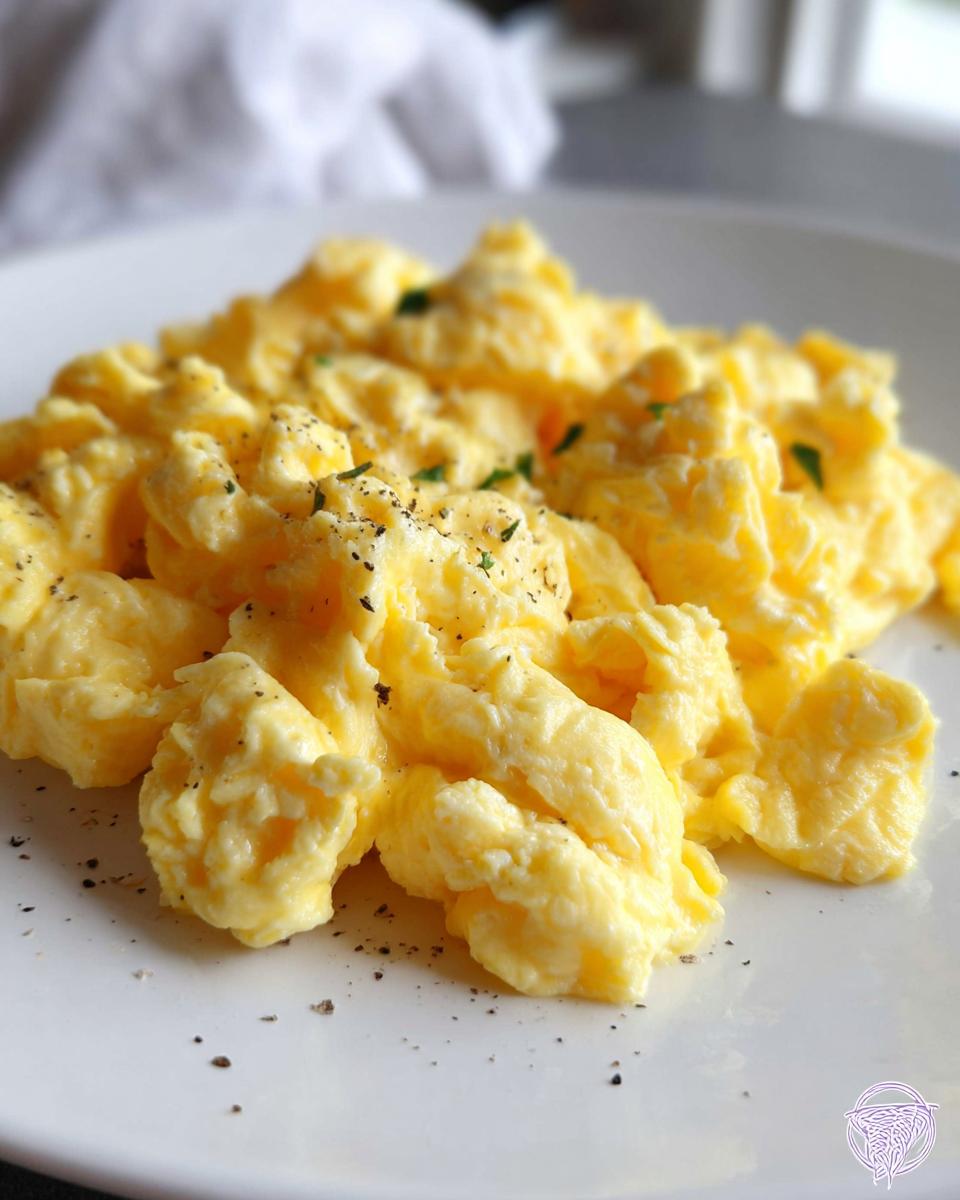
So, once you’ve mastered those glorious scrambled eggs, guess what? You’ve basically unlocked the door to a whole universe of egg-cellent dishes! The same gentle heat and careful folding techniques we used can totally elevate other egg favorites. Think about it: that light, foamy base from whisking? It’s perfect for an omelet. And the way we kept them moist and tender? That’s exactly what you want for a perfectly runny poached egg. It’s all about applying those pro skills you’re learning to create amazing egg recipes like a pro, whether it’s for breakfast, lunch, or even a quick easy dinner during the week. You’re going to be amazing!
For more inspiration on different ways to cook, check out this awesome blog!
Mastering the Omelet Technique
An omelet might seem a little intimidating, but it’s really just a beautifully folded cousin to scrambled eggs. The foundation is the same: really get those eggs whisked with a splash of liquid until they’re light and airy. The big difference is how you cook it. You’ll want to keep the heat a little higher initially to set the bottom quickly, then lower it to finish cooking. Instead of pushing the eggs around, you let them set slightly, then gently lift the edges to let the uncooked egg flow underneath, creating those lovely folds. Imagine a delicate blanket of egg, maybe with some cheese or veggies tucked inside, and then folded over. It’s all about that tender, slightly custardy interior!
Tips for Perfect Poached Eggs
Poached eggs are seriously elegant, and easier than you think! The key is really fresh eggs – they hold together better. Bring a pot of water, maybe with a tiny splash of vinegar (it helps the whites set), to a gentle simmer, not a rolling boil. You want little bubbles, not a tsunami! Crack your egg into a small ramekin first, then gently slide it into the water. Let it cook for about 3-4 minutes, until the whites are firm but the center is still wonderfully runny. Lift it out with a slotted spoon, give it a little pat to dry, and voilà! You’ve got a perfect poached egg ready for toast or salads.
Ingredient Notes and Substitutions for Egg Dishes
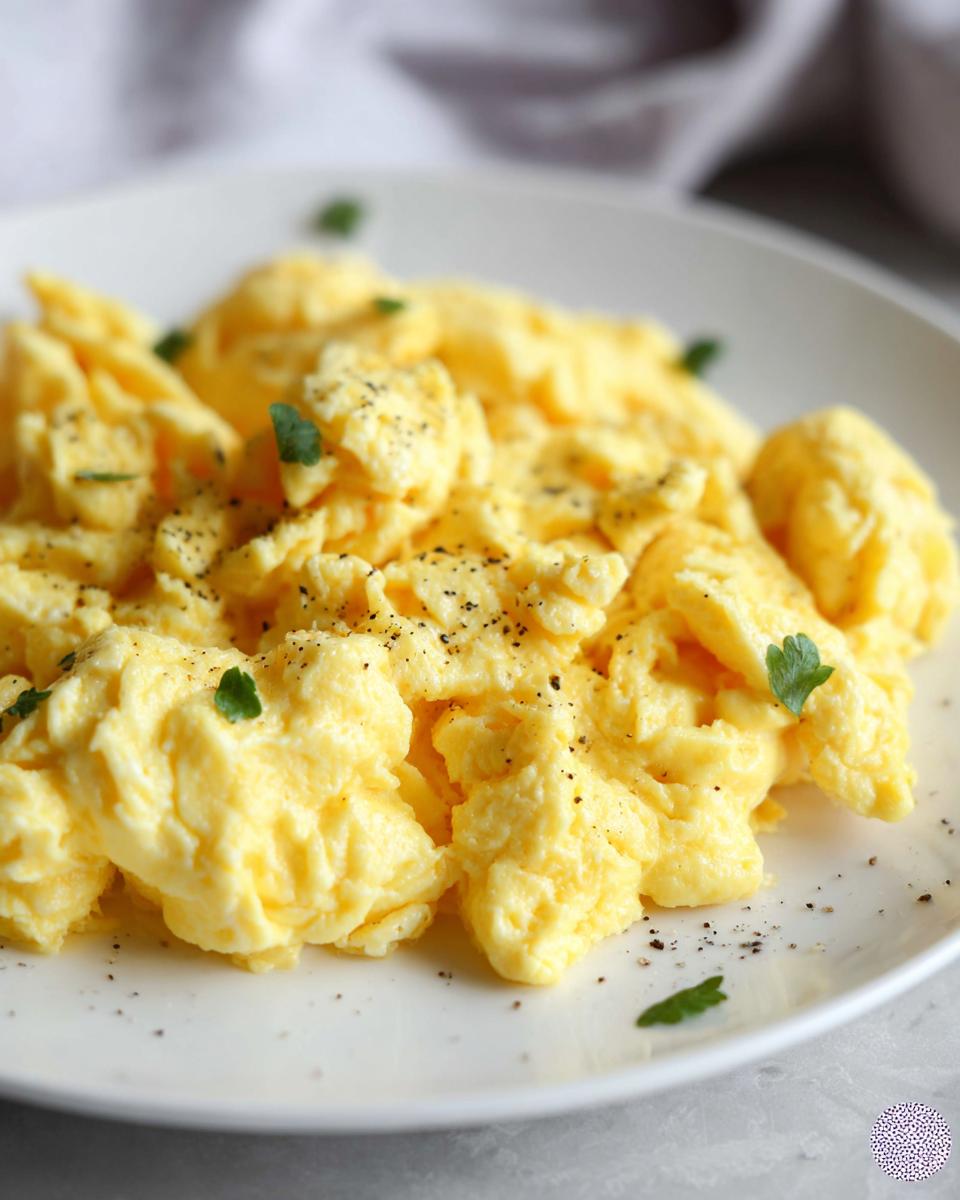
So, you’re making eggs and realize you’re out of half-and-half? Or maybe you want to whip up some dairy-free scrambled eggs? No worries, we’ve got you covered! The beauty of egg recipes is their flexibility. For that creamy richness in scrambled eggs, if half-and-half isn’t in your fridge, whole milk works too, or even a splash of heavy cream for extra decadence. For a dairy-free option, unsweetened plant-based milk like almond or soy works just fine, though it might be a touch less rich. And butter? While it adds that lovely flavor and helps prevent sticking, a good neutral oil like canola or even a tablespoon of olive oil (just be mindful of the flavor it adds!) can work in a pinch.
For more ideas on ingredient swaps, especially around healthy grains and pantry staples, you might find this site helpful: lowcarbrecipejournal.com/healthy-oats/.
Frequently Asked Questions About Egg Recipes
Got egg questions? We’ve all been there! I’ve tried to cover some of the most common things people wonder about when they’re trying to step up their egg game. Don’t worry, these are totally normal things to ask, and the answers are pretty simple once you know them!
How do I prevent my scrambled eggs from becoming rubbery?
Oh, the dreaded rubbery egg! The biggest culprit is usually overcooking or cooking them on too high of heat. My golden rule is to cook them low and slow, and honestly, take them off the heat when they still look a little wet. They’ll finish cooking from the residual heat on the pan and plate, giving you that perfect tender, creamy texture. Avoid aggressive stirring too; gentle pushes are key!
Can I make scrambled eggs ahead of time for breakfast prep?
You totally can, but with a little caveat. For the absolute best texture, I always recommend making them fresh. However, if you need to prep ahead, cook them until they’re *just* barely done – like, still super moist. Let them cool completely, then store them in an airtight container in the fridge. When you reheat them gently on the stovetop or in the microwave (use a splash of milk or water!), they’ll still be pretty good, though maybe not *quite* as fluffy as freshly made. They’re still a fantastic option for a quick weekday breakfast though!
What’s the best way to get a perfectly round, mess-free fried egg?
For a nice, neat fried egg, start with a good nonstick pan over medium-low heat. Butter or oil is essential! Crack your egg gently into the pan, and let it cook undisturbed until the whites are mostly set. If you want the top cooked without flipping, you can carefully spoon a little hot oil or butter over the white, or cover the pan for about 30 seconds to steam the top. A round-bottomed ramekin or even a large cookie cutter, greased and placed in the pan before adding the egg, can also help contain the shape beautifully!
Do I really need to use cream or milk in my scrambled eggs?
Using dairy, like that half-and-half or milk in my scrambled egg recipe, is totally optional but highly recommended if you want that extra lush, creamy texture! It helps create a richer, more tender scramble. If you’re skipping dairy, water is a fine substitute, or you can use an unsweetened plant-based milk. You’ll still get great eggs, they just might have a slightly different texture – but honestly, still delicious!
If you have more questions or want to connect about recipes, feel free to reach out here!
Nutritional Information Disclaimer
Just a little heads-up: whenever we talk about nutrition, it’s always an estimate. The actual numbers can wiggle around depending on the specific ingredients you use, what brands you pick, and even how you cook it up. Think of these as helpful guidelines, not exact science! For all the nitty-gritty details on how we handle your data, you can check out our privacy policy.
Share Your Egg Recipe Success!
Alright, now it’s your turn to get in the kitchen and create some egg magic! I really hope you give these a whirl and discover just how amazing eggs can be. Please, please pop down in the comments below and tell me how they turned out! Did you try any fun additions? I’d absolutely love to hear all about your triumphs! And if you feel inspired, sharing your creations on social media is always a huge treat for us! You can learn more about us and our mission here.
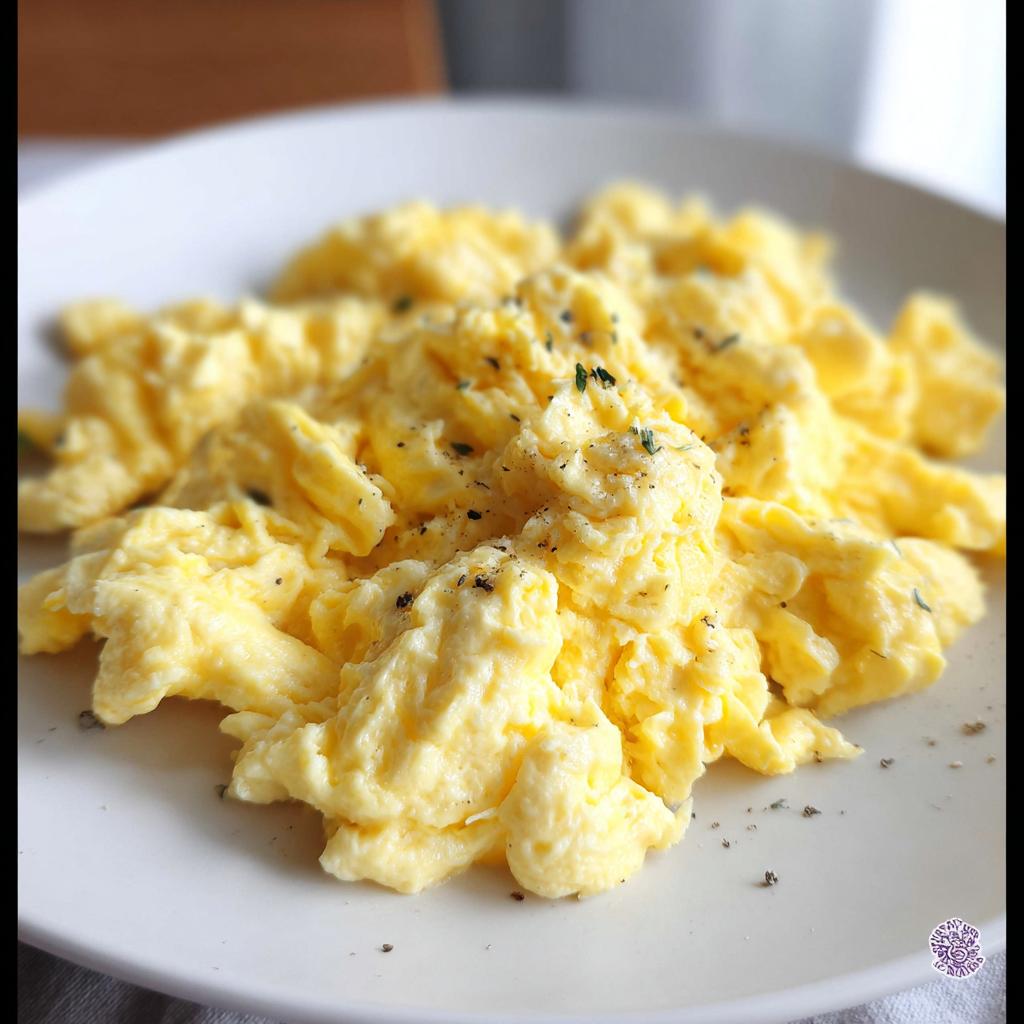
Perfectly Scrambled Eggs
Ingredients
Equipment
Method
- In a medium mixing bowl, whisk together the eggs, half-n-half, and salt until the mixture is uniform in color and texture, and is light and foamy.
- Melt the butter in a small nonstick pan over medium heat, until the butter coats the whole pan and just starts to foam.
- Add the eggs to the center of the pan and immediately reduce the heat to medium-low.
- Wait for the edges to just barely start to set, then using a rubber spatula, gently push the eggs from one end of the pan to the other. Continue this process, pausing in between swipes to allow the uncooked egg to settle on the warm pan and cook, gently pushing the liquid to form the curds.
- When the eggs are mostly cooked, with big pillow-y folds, but still look pretty wet, slowly fold the eggs into itself just a couple times, bringing them together.
- Remove from the heat when the eggs still shimmer with some moisture.
- Transfer to serving plates. Finish with some freshly cracked pepper and chopped fresh herbs.
Notes
Tried this recipe?
Let us know how it was!
I bring over seven years of clinical nutrition expertise and therapeutic meal planning to my role as Senior Culinary Nutritionist and Lead Recipe Developer at Low Carb Recipe Journal. With advanced certification in metabolic nutrition therapy from the Southwest Nutrition Institute, I’ve established myself as a knowledgeable practitioner in therapeutic carbohydrate restriction, helping countless individuals achieve sustainable health improvements through evidence-based nutrition protocols.
My career journey reflects my dedication to practical, results-oriented nutrition care. Beginning as a nutrition coordinator at Central Texas Medical Group, I developed comprehensive meal planning systems that helped patients successfully manage metabolic conditions through dietary intervention. This clinical experience revealed the powerful impact of well-formulated low-carbohydrate approaches, inspiring my transition to private wellness consulting in 2020, where I specialized in developing personalized nutrition protocols for clients dealing with insulin resistance, metabolic syndrome, and sustainable weight management challenges.
My expertise has been recognized through peer-reviewed research contributions on carbohydrate restriction protocols and presentations at the Southwest Regional Nutrition Symposium. My practical approach to therapeutic nutrition has made me a sought-after consultant for wellness centers and organic food cooperatives.
My philosophy centers on “sustainable nourishment” – the belief that therapeutic nutrition should enhance quality of life rather than restrict it. This approach is deeply influenced by my Italian heritage and my grandmother’s traditional cooking methods, which I thoughtfully adapt for modern metabolic health needs. At Low Carb Recipe Journal, I combine my clinical background with culinary creativity to provide readers with trustworthy, delicious, and therapeutically sound low-carbohydrate solutions.