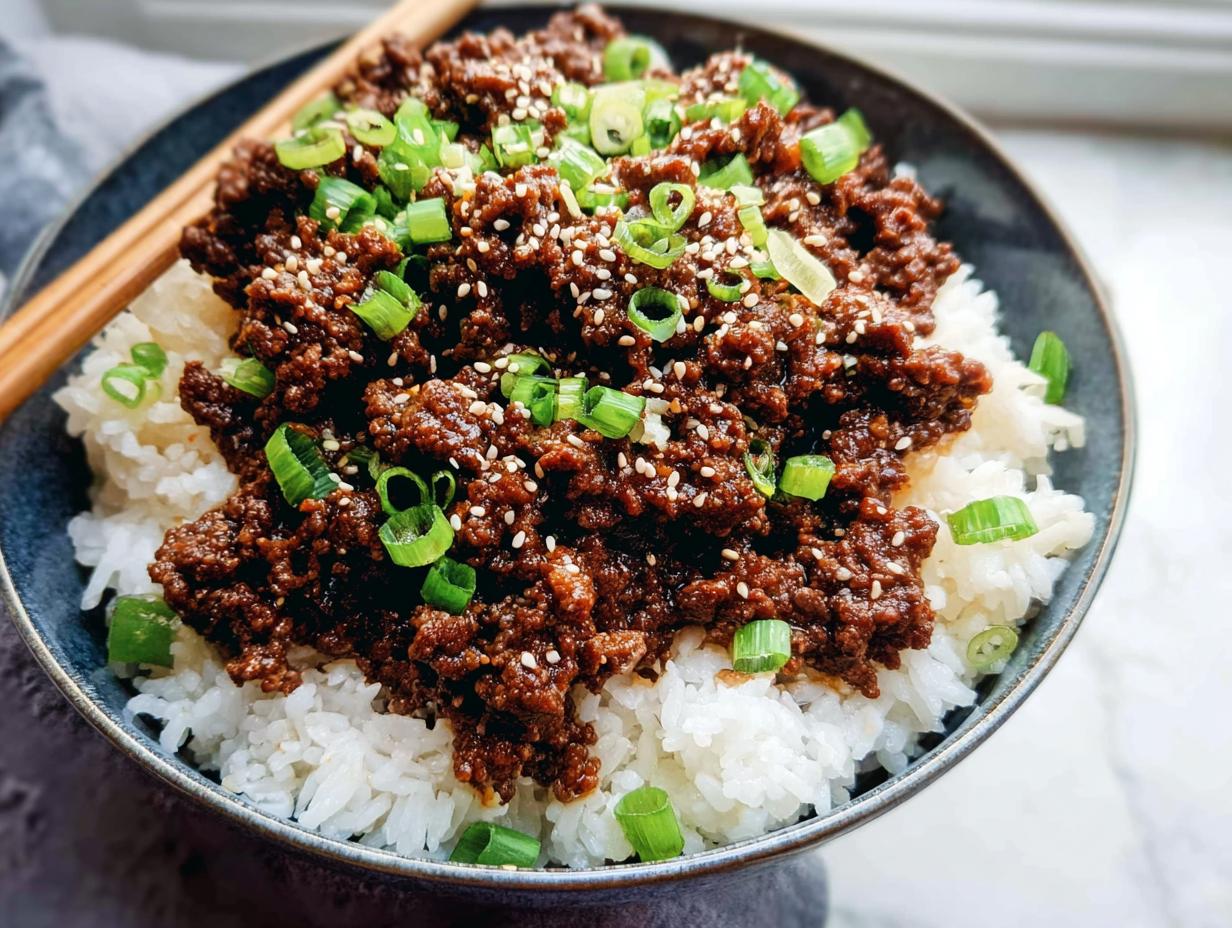
I’ll never forget the first time I tasted a Korean Ground Beef Bowl. It was at this amazing bustling food market one Saturday afternoon, and the air was just thick with the most incredible aromas of garlic and soy sauce. I couldn’t not try it, and wow, one bite and I swear I was instantly transported to a cozy kitchen somewhere in Seoul! I came home that day absolutely determined to recreate that magic in my own kitchen. After a few tries and lots of family taste-testing (they’re my official taste police!), I finally landed on this version. It’s become my go-to weeknight savior because it comes together so fast, proving that seriously comforting meals can be both super quick and totally packed with love.
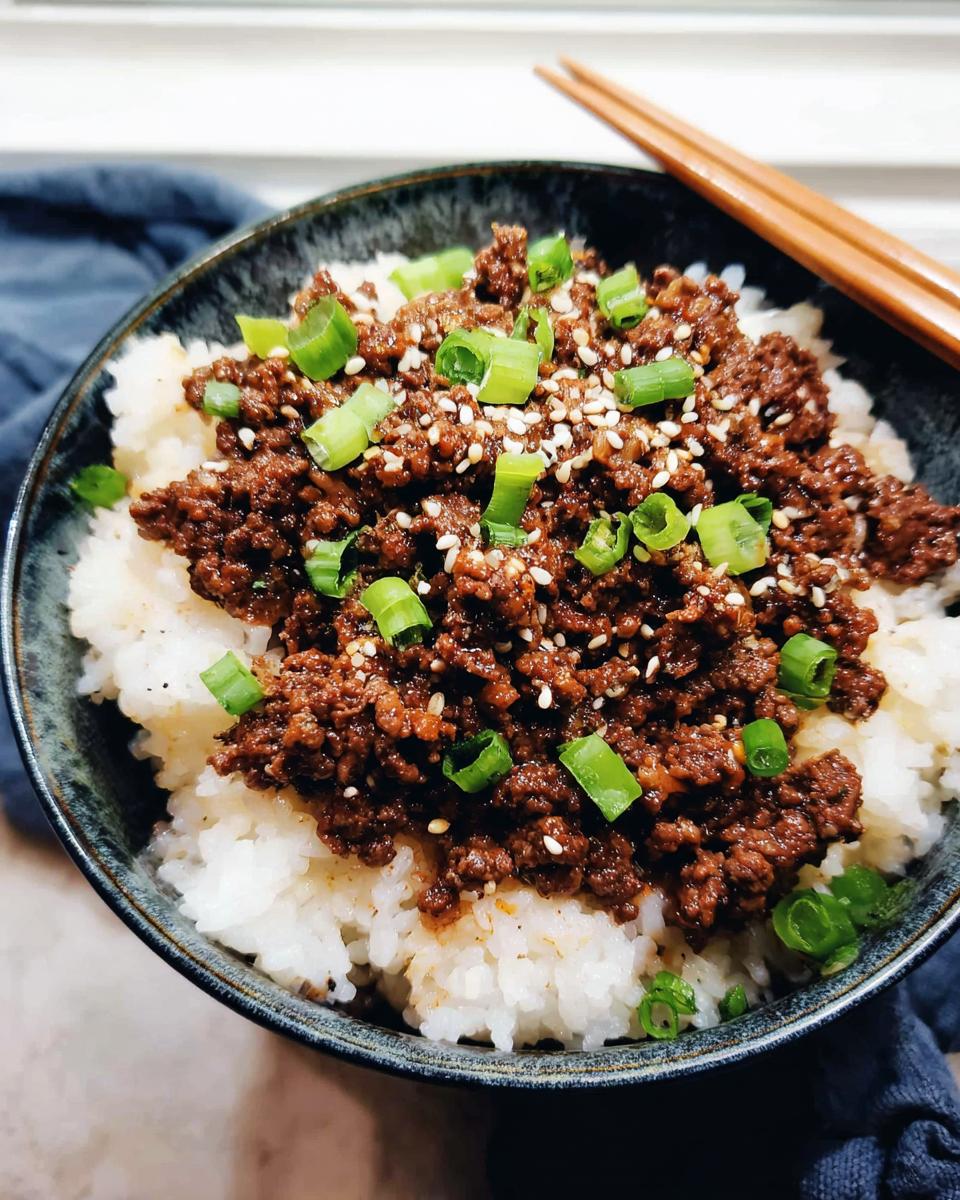
Why You’ll Love This Korean Ground Beef Bowl
Seriously, what’s not to love about this recipe? It’s a total lifesaver for those crazy busy nights:
- Lightning Fast: Ready in under 20 minutes from start to finish!
- Super Simple: Minimal ingredients and steps mean less fuss.
- Flavor Explosion: That sweet, savory, slightly spicy sauce is just addictive.
- Weeknight Winner: Perfect for getting a delicious, satisfying meal on the table ASAP.
Ingredients for Your Korean Ground Beef Bowl
Alright, gathering your ingredients is the first step to greatness! You don’t need anything too fancy, which is why I love this recipe so much. Make sure you’ve got:
- 1 pound lean ground beef (I usually grab the 90% lean kind)
- 3 cloves garlic, all minced up
- 1/4 cup brown sugar, packed in there nice and tight
- 1/4 cup reduced-sodium soy sauce (this is key so it’s not too salty!)
- 2 teaspoons sesame oil
- 1/4 teaspoon ground ginger
- 1/4 teaspoon crushed red pepper flakes (or more if you like a kick!)
- 1/4 teaspoon pepper
- 2 cups hot cooked white or brown rice, ready to go
- Sliced green onions and sesame seeds for topping – don’t skip these!
How to Make the Perfect Korean Ground Beef Bowl
Okay, so here’s the magic part! Making this Korean Ground Beef Bowl is honestly so straightforward, you might wonder why you haven’t made it every night. My little trick is to have everything prepped before you even turn on the stove. It makes the whole process zip by. Plus, remember that link I shared? These rice bowl recipes are great for getting into the meal-prep mindset, which totally helps with dishes like this!
Step 1: Cooking the Ground Beef
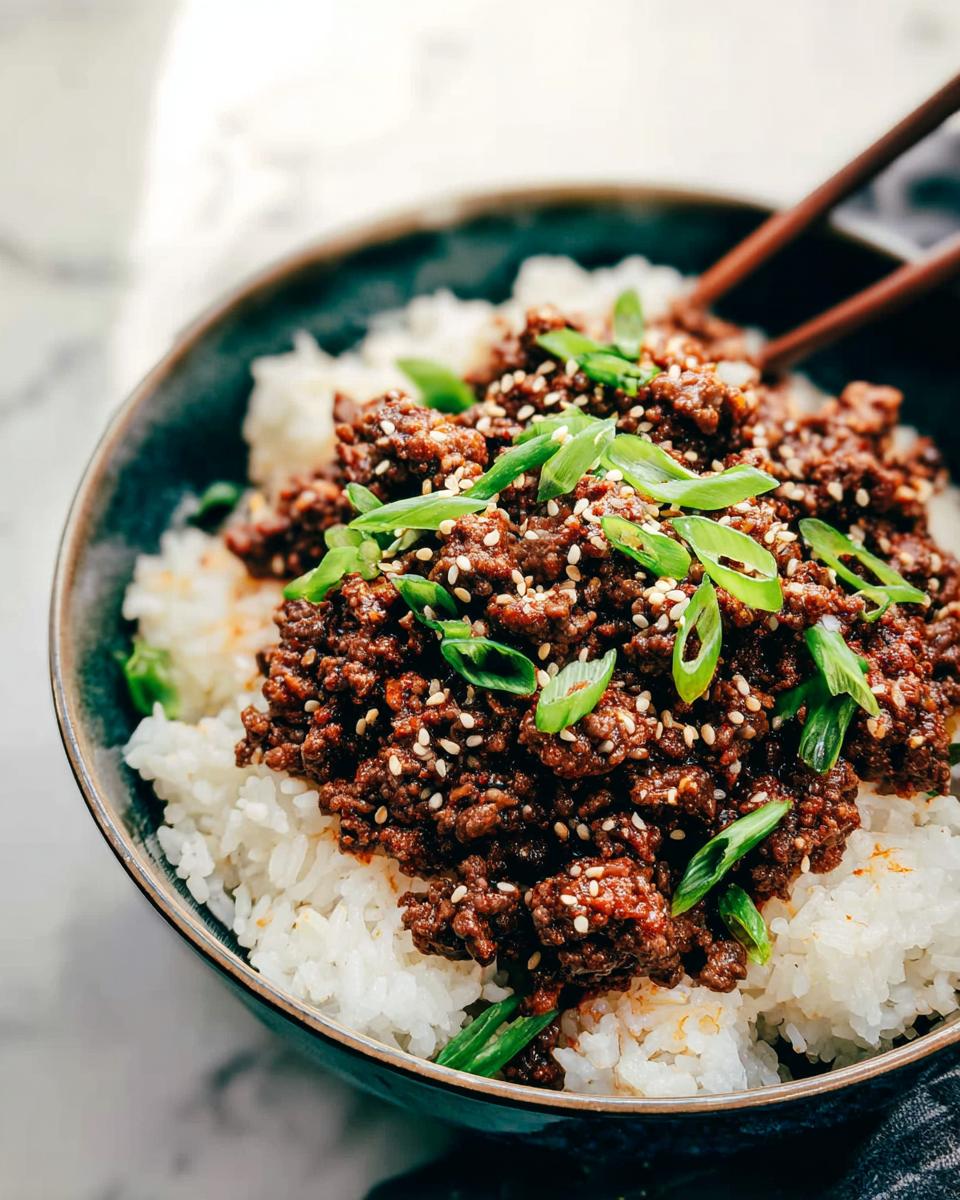
First things first, grab your biggest skillet and get it over medium heat. Toss in your ground beef and the minced garlic. Now, just keep breaking up that beef with your spoon like you’re giving it a good firm massage. Cook until it’s all nicely browned and no pink is showing. Then, carefully drain out all that extra grease. Nobody wants a greasy bowl of goodness, right?
Step 2: Crafting the Korean Ground Beef Bowl Sauce
Now for the flavor bomb! In a small bowl, whisk together the brown sugar, soy sauce, sesame oil, ground ginger, a pinch of red pepper flakes (go on, be brave!), and that black pepper. Pour this glorious mixture right over the cooked beef in the skillet. Give it a good stir to coat everything. Let it simmer and bubble away for just a minute or two, letting all those amazing flavors marry together. This little simmer is what makes your Korean Ground Beef Bowl sauce truly shine!
Step 3: Serving Your Korean Ground Beef Bowl
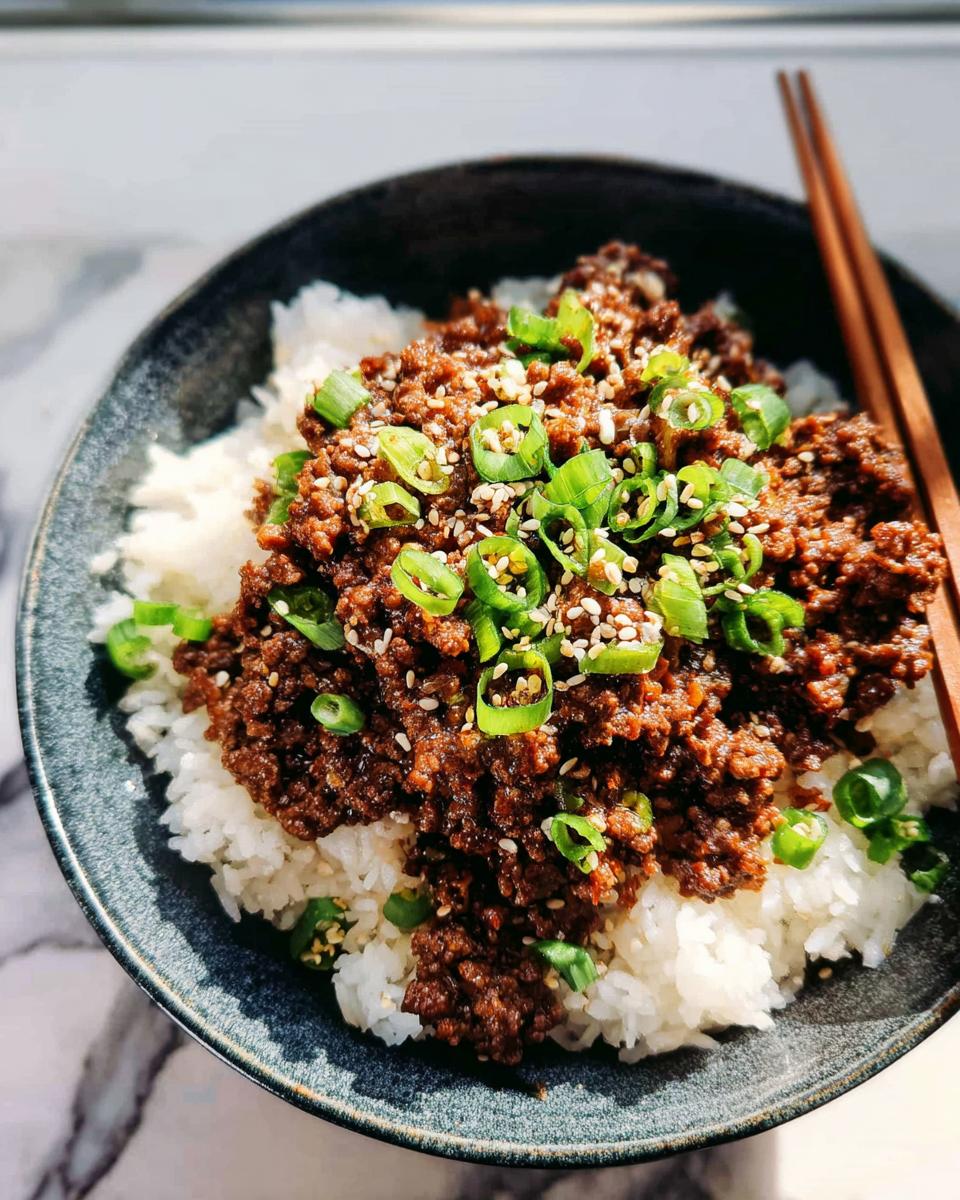
Alright, almost there! Spoon that perfectly saucy beef mixture over your hot, fluffy rice. Top generously with your sliced green onions and a sprinkle of sesame seeds for that extra crunch and finish. That’s it! You’ve just made a restaurant-worthy bowl in minutes.
Tips for a Perfect Korean Ground Beef Bowl
Okay, so you want your Korean Ground Beef Bowl to be absolutely spot-on, right? It’s pretty foolproof, but a few little tricks I’ve picked up really make it sing. First off, don’t be shy with the garlic! Fresh garlic is a game-changer here, and if you can mince it super fine, it gets right into the beef. And for the spice? That crushed red pepper is your friend. If you’re nervous, start with just a pinch (like what I wrote), but if you love a good kick, don’t be afraid to add a little more. Trust me, it balances out the sweet and savory perfectly. Also, make sure you drain that grease really well after browning the beef – it keeps the final dish from being too heavy.
Ingredient Notes and Substitutions
I get asked about ingredients a lot, and honestly, most of them are pretty flexible! For the soy sauce, I always go with reduced-sodium. It just gives you more control over the saltiness, especially after everything simmers down. But if you only have regular soy sauce, just use a little less, maybe 3 tablespoons instead of 1/4 cup, and taste as you go. And for the beef? If you can’t find lean ground beef, regular will work, but you’ll definitely want to drain off even more grease. Some folks swap beef for ground chicken or turkey, which is totally fine too, just adjust cooking time slightly!
Serving and Storage for Your Korean Ground Beef Bowl
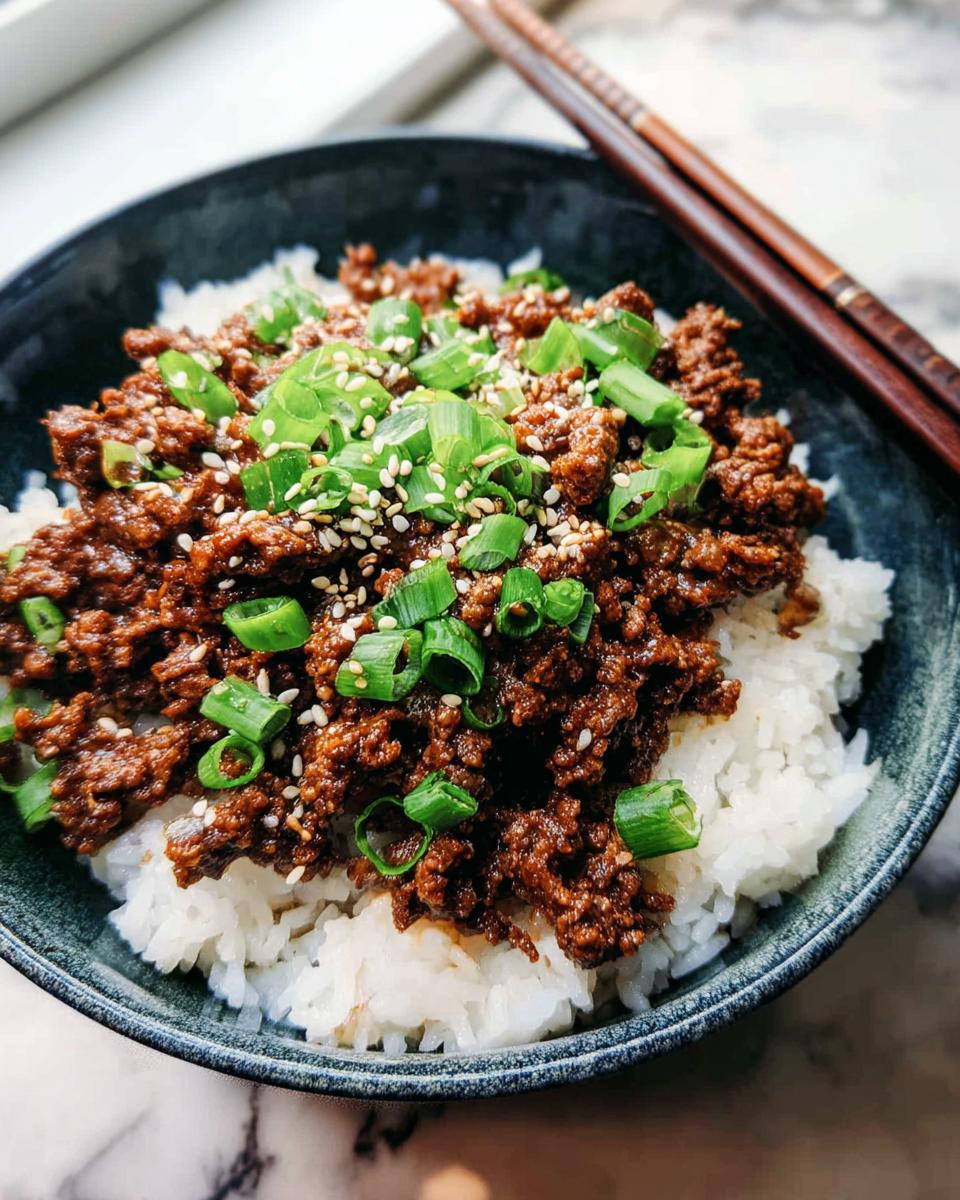
This Korean Ground Beef Bowl is pretty fantastic served right away, piping hot over that fluffy rice. The fresh green onions and sesame seeds on top just add that perfect pop of freshness and crunch. But honestly, leftovers are pretty darn great too! If you happen to have any (which is rare in my house!), just pop them into an airtight container. They’ll keep nicely in the fridge for about 3-4 days. Want to reheat? Just pop it in the microwave or a skillet with a tiny splash of water until it’s hot all the way through. Super easy peasy! And hey, if you’re thinking ahead, check out these make-ahead rice bowl tips!
Frequently Asked Questions About Korean Ground Beef Bowls
Got questions about making the best Korean Ground Beef Bowl ever? I totally get it! Here are a few things folks often ask me:
Can I make this Korean Ground Beef Bowl recipe spicier?
Oh, absolutely! If you love things with a serious kick, just bump up the crushed red pepper flakes. Start with half a teaspoon, or even a full teaspoon if you’re brave, and give it a taste before serving. You can also add a little sriracha or gochujang (Korean chili paste) to the sauce mixture for an extra layer of heat. My family likes it mild, but sometimes I add a bit more for myself!
What kind of rice is best for serving with Korean Ground Beef Bowls?
Honestly, both white and brown rice work wonderfully! I listed both because it’s all about personal preference and what you have on hand. For a really authentic feel, medium-grain white rice is classic. Brown rice adds a nice nutty flavor and a bit more fiber, which is always a win. Make sure it’s cooked and hot when you serve the beef mixture over it – that hot rice really makes everything come together.
Can I use a different type of meat in this Korean Ground Beef Bowl?
You sure can! While ground beef is fantastic and really absorbs that sauce, ground turkey or even ground chicken works too. Just make sure to cook them thoroughly and drain off any excess fat, especially with leaner meats. Some people have even used ground pork, which is also super tasty! Just keep an eye on the cooking time as it can vary slightly.
My sauce seems a bit too thin, what can I do?
No worries if your sauce is a little thinner than you like! This can sometimes happen depending on how much moisture is in your beef. Just let it simmer a little longer, stirring occasionally, until it thickens up to your liking. Another trick is to mix about half a teaspoon of cornstarch with one tablespoon of cold water to make a slurry, then stir that into the simmering sauce. It’ll thicken it up super fast! Don’t forget to check out this recipe for more tips on getting that sauce just right!
Nutritional Information Estimate
Just a heads-up, these numbers are just estimates, okay? They can totally change depending on the exact brands you use and if you tweak things like the amount of sugar or add extra toppings. But generally, a serving of this delicious dish is around 238 calories, with about 25 grams of protein, 16 grams of carbs, and 8 grams of fat. It’s a super satisfying meal! For more info on healthy meals from scratch, you might like these healthy meal ideas.
Korean Ground Beef Bowl
Ingredients
Equipment
Method
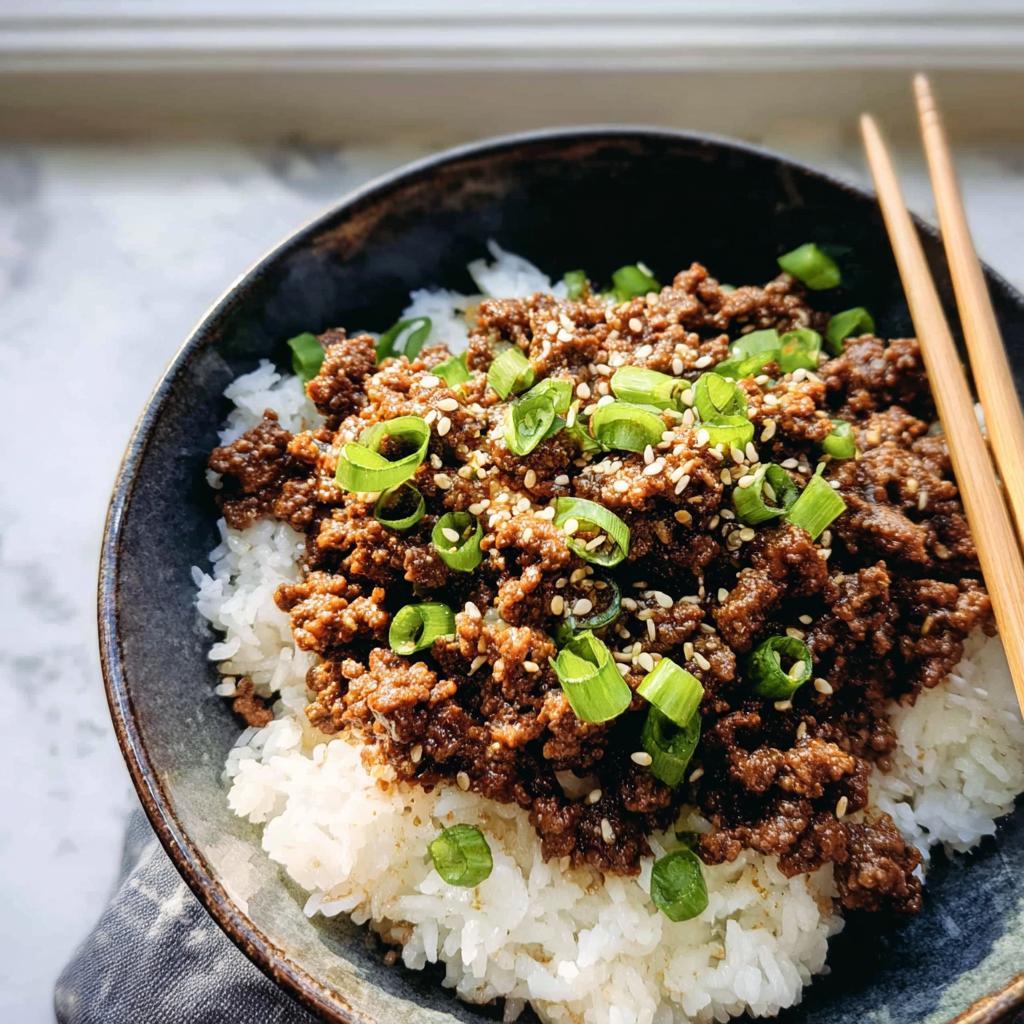
- In a large skillet, cook the ground beef and garlic, breaking it into crumbles over medium heat until no longer pink. Drain the grease.
- In a small bowl, whisk brown sugar, soy sauce, sesame oil, ginger, red pepper flakes, and pepper. Pour over the ground beef and let simmer for another minute or two.
- Serve over hot rice and garnish with green onions and sesame seeds.
Nutrition
Notes
Tried this recipe?
Let us know how it was!
Maya Patel, Community Manager & Adaptation Specialist
I’ve spent the past five years working in community-focused nutrition, passionate about making low-carb eating accessible to everyone regardless of cultural background. With certification in cross-cultural nutrition counseling, I help people adapt healthy eating approaches while preserving their cherished food traditions.
My journey began as a community outreach coordinator when I noticed how nutrition advice often ignored people’s cultural food practices. This frustrated me—why should someone abandon their grandmother’s recipes to be healthy? I started developing ways to adapt traditional dishes from different cultures to fit therapeutic nutrition goals, helping hundreds of families integrate low-carb principles without losing their culinary heritage.
As a second-generation Indian-American, this is deeply personal. I’ve balanced my family’s food traditions with modern nutrition research, especially when adopting a low-carb approach to manage my PCOS. That experience taught me that sustainable health changes must honor who you are and where you come from.
My “inclusive wellness” philosophy is straightforward: there’s no one-size-fits-all approach to healthy eating. Whether developing vegetarian keto adaptations for traditional Indian flavors or creating community spaces for sharing cultural recipe modifications, I believe everyone deserves respect and support in their wellness journey.
When I’m not facilitating online discussions or testing cultural adaptations in my Portland kitchen, I work with clay in my pottery studio or volunteer with local community gardens. I believe growing food together strengthens both community bonds and our connection to nourishing ingredients.
At Low Carb Recipe Journal, I ensure our community remains welcoming for readers from all backgrounds while developing practical ways to adapt recipes for different cultural preferences and dietary needs. My goal is making low-carb eating culturally celebratory, not restrictive.