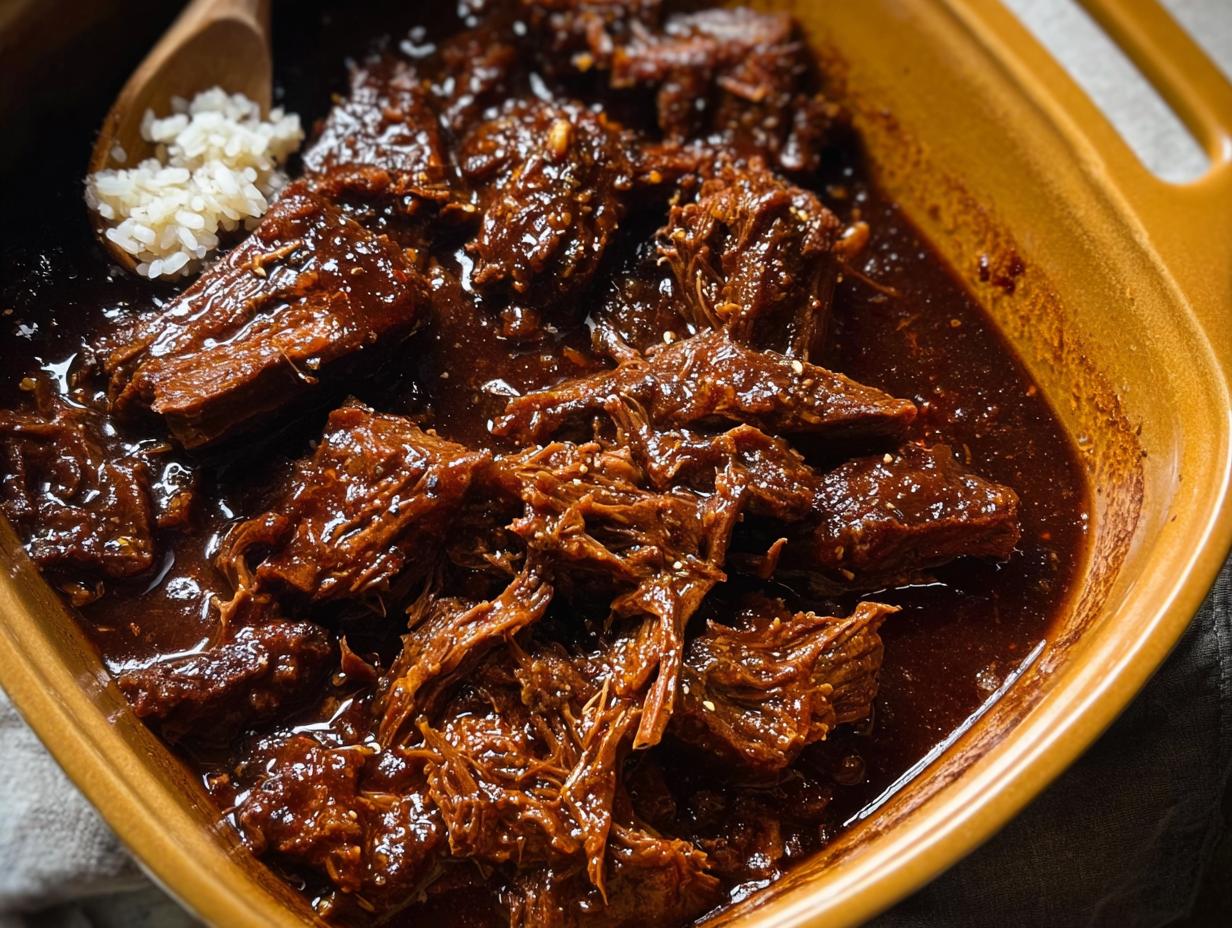
Sometimes, you just crave that super comforting, fall-apart tender pot roast, right? But what if you could give it an exciting, zesty twist that makes your taste buds sing? That’s exactly what happened when I whipped up my very first Korean Style Pot Roast. It was one of those chilly, rainy weekends where only the coziest food would do, but I also wanted something with a little spark. Drawing inspiration from those amazing Korean flavors I grew up with and the classic pot roast my family always loved, I decided to bring them together. The whole house filled with this incredible aroma, and I felt this wonderful connection to my heritage. And the best part? Seeing everyone’s faces light up when they tasted it! It’s become a go-to because it perfectly blends that familiar comfort food feeling with something totally new and exciting, something I love sharing as a Community Manager & Adaptation Specialist who’s always looking for delicious ways to connect cultures through food.
Why You’ll Love This Korean Style Pot Roast
It’s incredibly tender and melt-in-your-mouth delicious – seriously, the beef just falls apart!
The sauce is a flavor explosion: a perfect balance of savory, spicy, and a hint of sweet.
It’s surprisingly easy to make, mostly hands-off cooking time.
It’s the ultimate comfort food with an exciting, global twist.
Your kitchen will smell absolutely amazing while it’s cooking!
Authentic Korean Style Pot Roast Ingredients
To make this amazing Korean Style Pot Roast, you’ll want to gather a few key players for the sauce and of course, the star of the show – the beef! Don’t worry if you haven’t used gochujang before; it’s a Korean fermented chili paste that gives this dish its signature spicy-sweet depth. Fresh ginger is also super important here; it adds this vibrant, zesty punch that cuts through the richness and makes everything so bright. You can totally grab these at most larger grocery stores!
Here’s what you’ll need:
For the Sauce
- 1 cup low-sodium beef broth
- 3/4 cup low-sodium soy sauce
- 3 tbsp garlic chili sauce
- 3 tbsp gochujang (Korean chili paste)
- 1 tbsp sesame oil
- 1 tbsp rice wine vinegar
- 1/4 cup light brown sugar, firmly packed
For the Roast
- 2 tbsp vegetable oil
- 3-3.5 lb boneless beef chuck roast
- Salt, to taste
- Pepper, to taste
- 1 cup yellow onion, finely chopped
- 1 tbsp grated fresh ginger
- 4-6 clove garlic, finely chopped
For Thickening
- 2 tbsp cornstarch whisked with 1/4 cup water
Trust me, these ingredients come together in a way that’s just *chef’s kiss*! If you’re looking for more simple ingredient ideas, check out these breakfast recipes; sometimes the best meals start with just a few key items!
Mastering Your Korean Style Pot Roast: Step-by-Step Instructions
Alright, let’s get cooking! Making this Korean Style Pot Roast is totally doable, and honestly, it’s kind of therapeutic. Just follow these steps and you’ll have the most amazing, tender beef swimming in that incredible savory sauce. It’s all about building those layers of flavor!
Like mastering any good recipe, it starts with getting your ducks (or your roast!) in a row.
Preheating and Sauce Preparation
First thing’s first, get your oven preheated to 300 degrees F (150 degrees C). While that’s warming up, grab a big bowl or a measuring cup and whisk together all those yummy sauce ingredients: the beef broth, soy sauce, garlic chili sauce, gochujang, sesame oil, rice wine vinegar, and that lovely brown sugar. Just whisk it all up until it’s nice and combined. Easy peasy!
Browning the Roast and Sautéing Aromatics
Now, for the roast! Pat your chuck roast super dry with paper towels – this is key for getting a good sear. Season it generously with salt and pepper all over. Get your Dutch oven nice and hot over medium-high heat with the vegetable oil. Sear that roast on all sides until it’s beautifully browned and caramelized. Once it’s got a nice crust, take it out and pop it on a plate for a sec. Toss in your chopped onion into the same pot and let it cook for about 3-5 minutes until it softens up. Then, add your fresh ginger and minced garlic and just cook for another minute until fragrant. Oh, that smell!
Simmering and Tenderizing the Korean Style Pot Roast
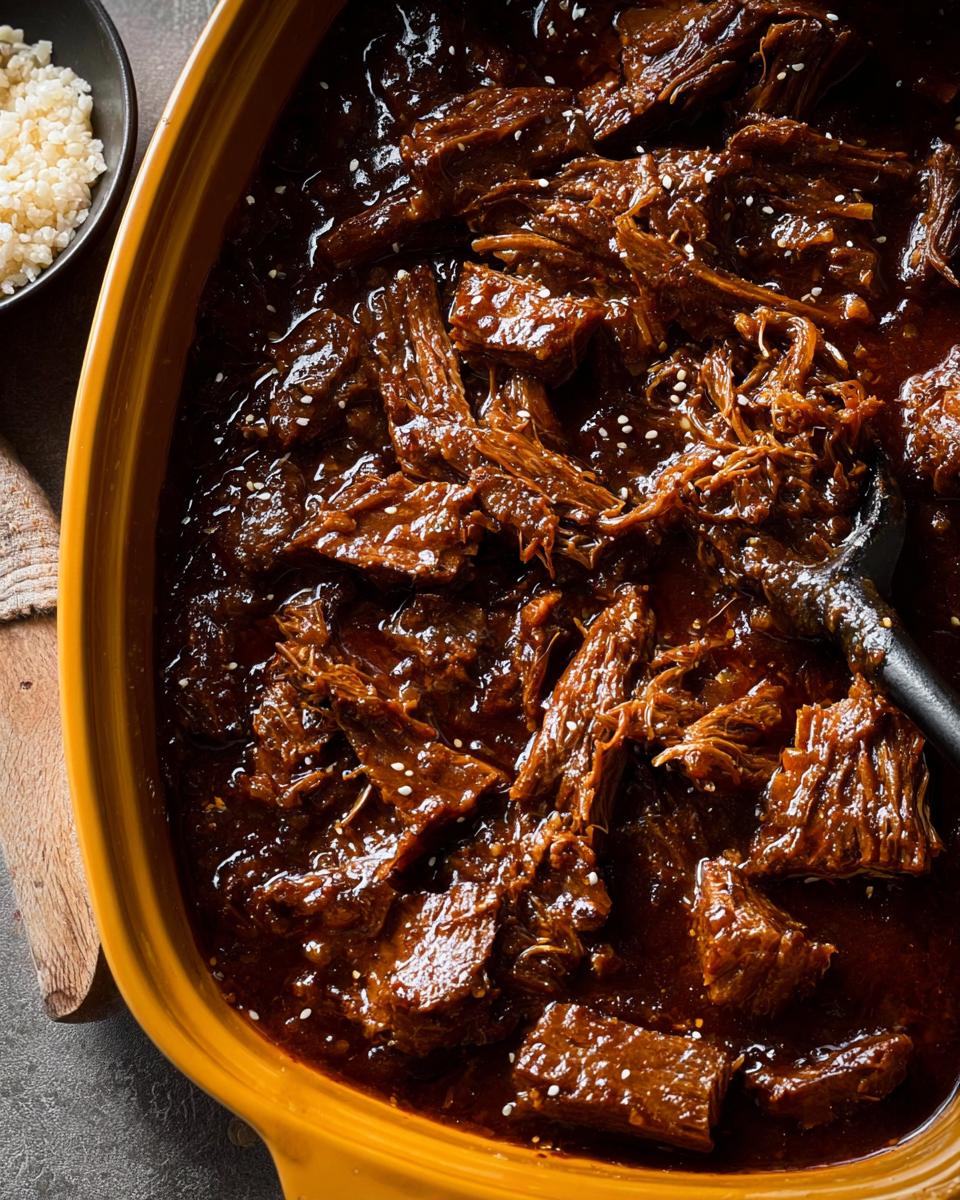
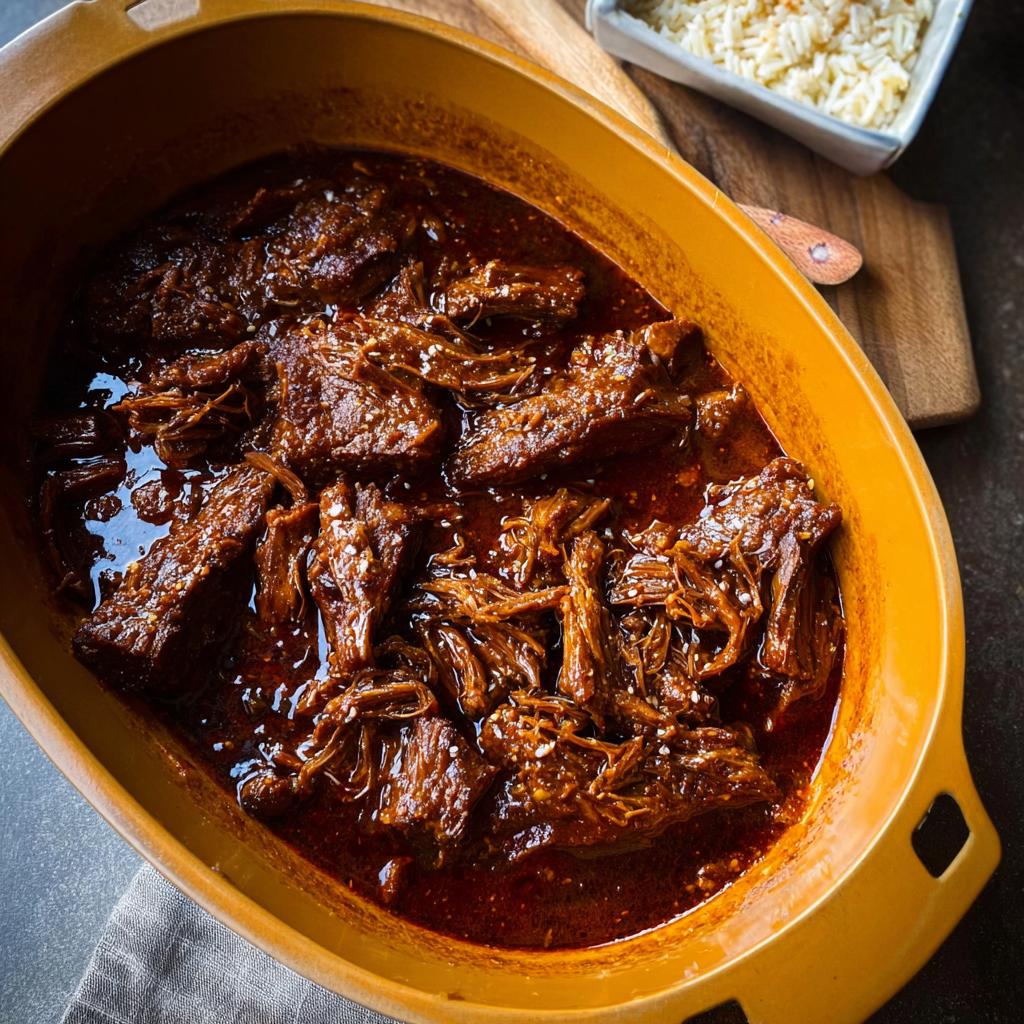
Pour that gorgeous sauce you mixed earlier right into the Dutch oven with the onions, ginger, and garlic. Let it bubble and cook for about 4-5 minutes, letting those flavors meld. Now, gently place your browned roast back into the pot, right into that delicious sauce. Pop the lid on tight and slide that Dutch oven into your preheated oven. Let it work its magic for about 2.5 hours. Seriously, this recipe is all about that low and slow cooking. You want that meat to get super tender, so tender it practically shreds itself.
Thickening the Sauce and Shredding the Meat
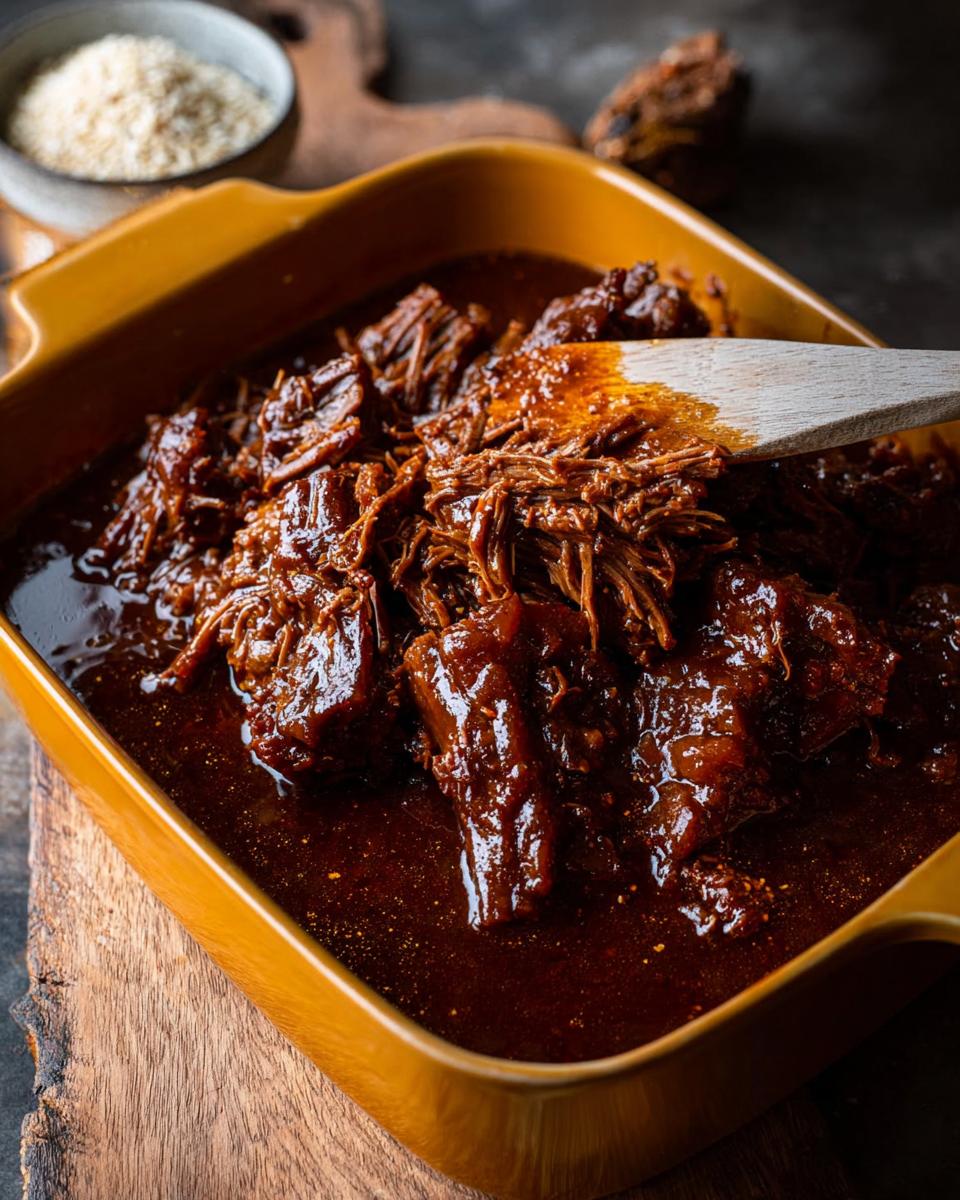
Once the roast is fork-tender, it’s time for the finishing touches! In a little bowl, whisk your cornstarch and water together until it’s smooth. Stir this slurry into the sauce in the Dutch oven. Give it a good stir, place the lid back on, and let it simmer for a few more minutes until the sauce thickens up beautifully. Then, just shred that incredibly tender meat right there in the pot with two forks. Let it soak up all that amazing flavor!
Tips for the Perfect Korean Style Pot Roast
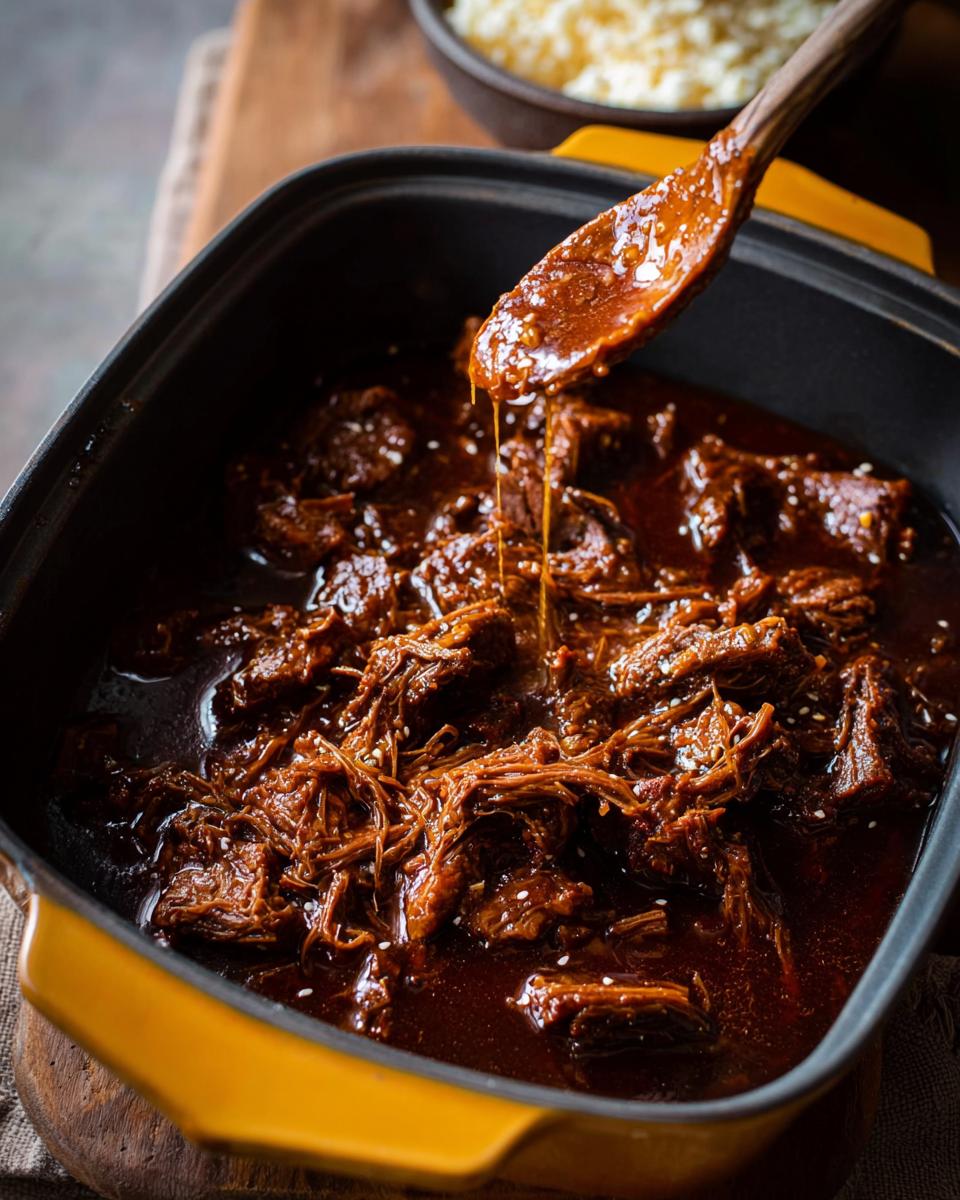
You know, making a truly fantastic Korean Style Pot Roast comes down to a few little secrets I’ve picked up over the years. First off, don’t skimp on the beef! A good, marbled boneless chuck roast is your best friend here. It has just enough fat to keep things tender and juicy as it braises. If you can find one with nice white marbling, go for it! And remember that part about patting the roast dry? Seriously, don’t skip that. It’s crucial for getting a nice, flavorful crust when you sear it. If you want to dial up the heat, just add a little more gochujang or garlic chili sauce next time. For softer flavors, you can dial them back a touch. It’s all about making it perfect for *you*! Happy cooking! And hey, if you’re ever looking for more tips on cooking meats like a pro, check out my guide on how to make pork chops recipes like a pro – some of those principles really apply here too!
Serving Suggestions for Your Pot Roast
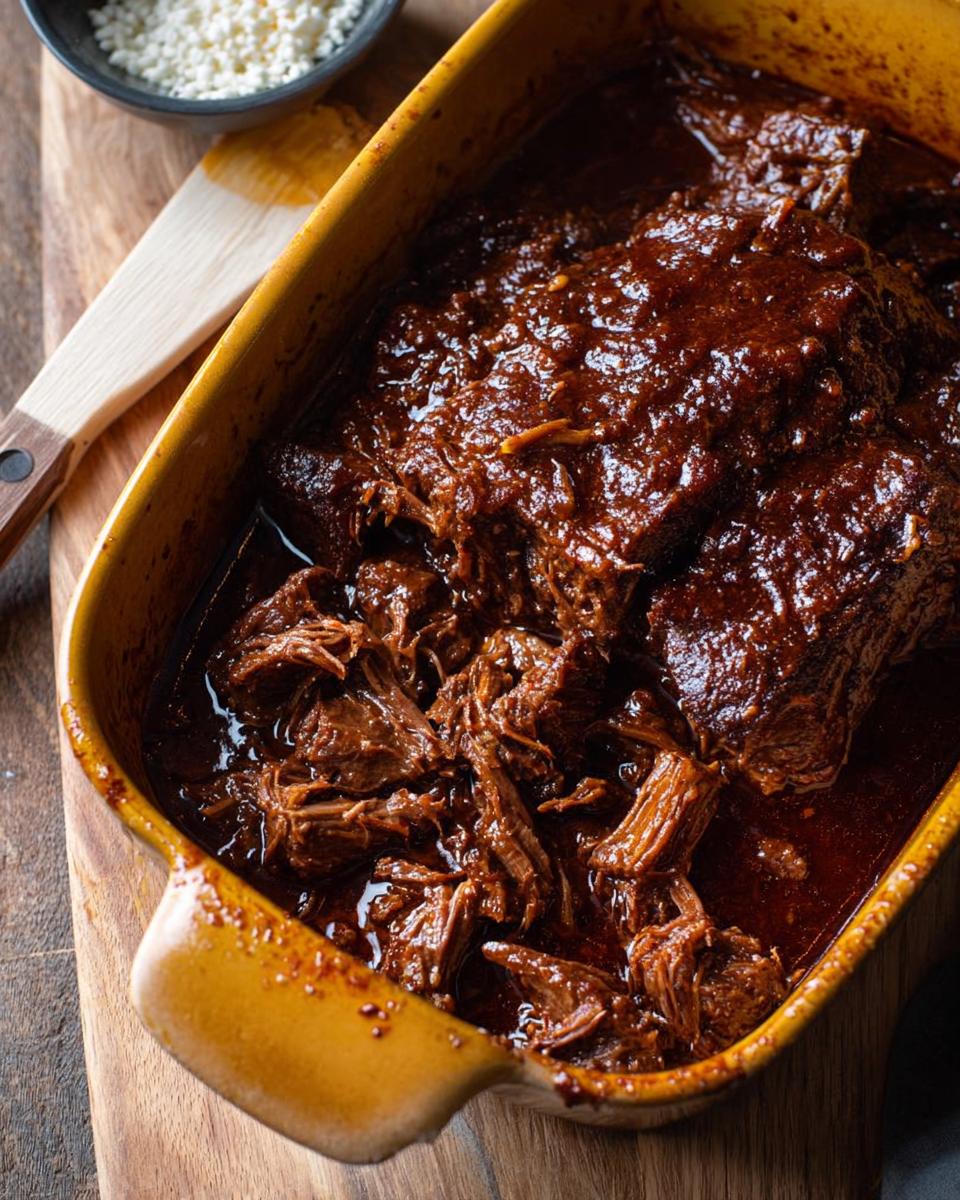
So, you’ve got this absolutely incredible Korean Style Pot Roast, glistening and tender. What do you serve with it? My go-to, and what the recipe notes mention, is definitely a big scoop of fluffy steamed white rice. It’s perfect for soaking up all that amazing, zesty sauce. Mashed potatoes are another fantastic, comforting option if you’re looking for something a little different but still hearty.
A sprinkle of toasted sesame seeds on top right before serving adds a lovely little crunch and extra nutty flavor. And honestly, I sometimes just make a big batch of rice bowls with this roast, adding some quick pickled veggies or a side of kimchi. Yum!
Make-Ahead and Storage for Korean Style Pot Roast
You know, the best part about this Korean Style Pot Roast is that it’s actually even better the next day! If you’re super busy, you can totally make the entire roast ahead of time. Just let it cool completely, then store it in an airtight container in the fridge for up to 3 days. All those flavors get to meld together even more!
When you’re ready to reheat, gently warm it up on the stovetop over low heat or in the microwave. If the sauce seems a little less thick after chilling, you can always give it a quick re-thicken with that cornstarch slurry. For even more make-ahead magic, check out these taco Tuesday recipes and make-ahead tips – some of those tricks work wonders for all sorts of dishes!
Frequently Asked Questions About Korean Style Pot Roast
Got questions about making this awesome Korean Style Pot Roast? I’ve got you covered! Here are some things people often ask:
Can I use a different cut of beef?
While chuck roast is my absolute favorite for this recipe because it gets so tender and flavorful with slow cooking, you *could* try other cuts like brisket or even some leaner roasts. Just know that they might not get quite as melt-in-your-mouth soft, and you might need to adjust the cooking time a bit. Stick with chuck if you can for the best results, trust me!
What if I don’t have gochujang?
Oh no! Gochujang is pretty key for that authentic Korean kick, but you can totally improvise. Try using more garlic chili sauce, maybe add a little extra sriracha, or even some red pepper paste if you have it. You might also want to add a touch more brown sugar to balance the heat. It won’t be exactly the same, but it’ll still be super delicious!
How spicy is this dish?
This Korean Style Pot Roast has a nice, pleasant warmth to it, thanks to the gochujang and garlic chili sauce. It’s not overwhelmingly fiery, but it’s definitely got a spicy kick that wakes up your palate! If you’re sensitive to spice, start with less gochujang and chili sauce, and you can always add more at the end. It’s easy to control the heat level!
Can I make this in a slow cooker?
Absolutely! If you prefer using a slow cooker, you’ll want to brown the roast and sauté the aromatics on the stovetop first, just like in the recipe. Then, transfer everything to your slow cooker, add the sauce, and cook on low for 6-8 hours or on high for 3-4 hours, until the meat is super tender. You’ll still want to thicken the sauce at the end on the stovetop, or you can use a slow cooker cornstarch slurry method. Super convenient!
For more fantastic cooking tips and guides, be sure to check out this ultimate soup recipes guide!
Nutritional Information
Just a heads-up, these numbers are estimates based on the ingredients I used! The actual calories, fat, protein, and carbs can vary depending on the exact brands you pick and how big your servings are. But this gives you a good general idea of what you’re working with for this delicious Korean Style Pot Roast!
Korean Style Pot Roast
Ingredients
Equipment
Method
- Preheat your oven to 300 degrees F (150 degrees C).
- In a large bowl or measuring cup, whisk together the beef broth, soy sauce, garlic chili sauce, gochujang, sesame oil, rice wine vinegar, and brown sugar until combined. Set aside.
- Pat the chuck roast dry with paper towels and season generously with salt and pepper. Heat the vegetable oil in a large Dutch oven over medium-high heat. Brown the roast on all sides. Remove the roast from the Dutch oven and place it on a plate. Add the chopped onion to the Dutch oven and cook for 3-5 minutes. Add the grated ginger and chopped garlic and cook for 1 minute more.
- Pour the prepared sauce into the Dutch oven and cook for 4-5 minutes. Return the browned roast to the Dutch oven. Cover the Dutch oven and cook in the preheated oven for about 2 1/2 hours, or until the meat is very tender and shreds easily.
- Before shredding the meat, whisk together the cornstarch and water in a small bowl. Stir this mixture into the sauce in the Dutch oven to thicken it. Shred the meat directly in the sauce.
Notes
Tried this recipe?
Let us know how it was!
Maya Patel, Community Manager & Adaptation Specialist
I’ve spent the past five years working in community-focused nutrition, passionate about making low-carb eating accessible to everyone regardless of cultural background. With certification in cross-cultural nutrition counseling, I help people adapt healthy eating approaches while preserving their cherished food traditions.
My journey began as a community outreach coordinator when I noticed how nutrition advice often ignored people’s cultural food practices. This frustrated me—why should someone abandon their grandmother’s recipes to be healthy? I started developing ways to adapt traditional dishes from different cultures to fit therapeutic nutrition goals, helping hundreds of families integrate low-carb principles without losing their culinary heritage.
As a second-generation Indian-American, this is deeply personal. I’ve balanced my family’s food traditions with modern nutrition research, especially when adopting a low-carb approach to manage my PCOS. That experience taught me that sustainable health changes must honor who you are and where you come from.
My “inclusive wellness” philosophy is straightforward: there’s no one-size-fits-all approach to healthy eating. Whether developing vegetarian keto adaptations for traditional Indian flavors or creating community spaces for sharing cultural recipe modifications, I believe everyone deserves respect and support in their wellness journey.
When I’m not facilitating online discussions or testing cultural adaptations in my Portland kitchen, I work with clay in my pottery studio or volunteer with local community gardens. I believe growing food together strengthens both community bonds and our connection to nourishing ingredients.
At Low Carb Recipe Journal, I ensure our community remains welcoming for readers from all backgrounds while developing practical ways to adapt recipes for different cultural preferences and dietary needs. My goal is making low-carb eating culturally celebratory, not restrictive.